+86-769-83103566        inquire@aridamachinery.com
You are here: Home » Products » Battery Interconnect » CCS Integrated Busbar » OCP Busbar – High-Power Distribution for Open Compute Project Data Centers

OCP Busbar – High-Power Distribution for Open Compute Project Data Centers

The OCP Busbar is engineered for high-efficiency power distribution in data centers following Open Compute Project (OCP) standards. Designed for rack-level power delivery, these busbars support 48V DC distribution systems, reducing power loss compared to traditional 12V architectures. Made from high-conductivity copper with nickel plating, they offer low contact resistance and reliable performance in high-density server environments. Customizable in length, terminal configuration, and mounting features, OCP busbars enable scalable and efficient power architectures for modern data centers.
  • OCP Busbar

  • ARIDA

Availability:
Quantity:
facebook sharing button
twitter sharing button
line sharing button
wechat sharing button
linkedin sharing button
pinterest sharing button
whatsapp sharing button
kakao sharing button
snapchat sharing button
telegram sharing button
sharethis sharing button

Overview

The mission of OCP is to enhance energy efficiency and achieve cost-effectiveness. Its initiatives have garnered significant attention from large enterprises and data center operators. The reason why large enterprises are only attracted by DC-MHS is that the latter can better control the hardware. By adopting a modular approach, large-scale data centers can easily manage and adjust their resources, smoothly expand the scale of their infrastructure to meet the increasing demands of their applications - this is crucial in today's era of generative AI and streaming services.

1

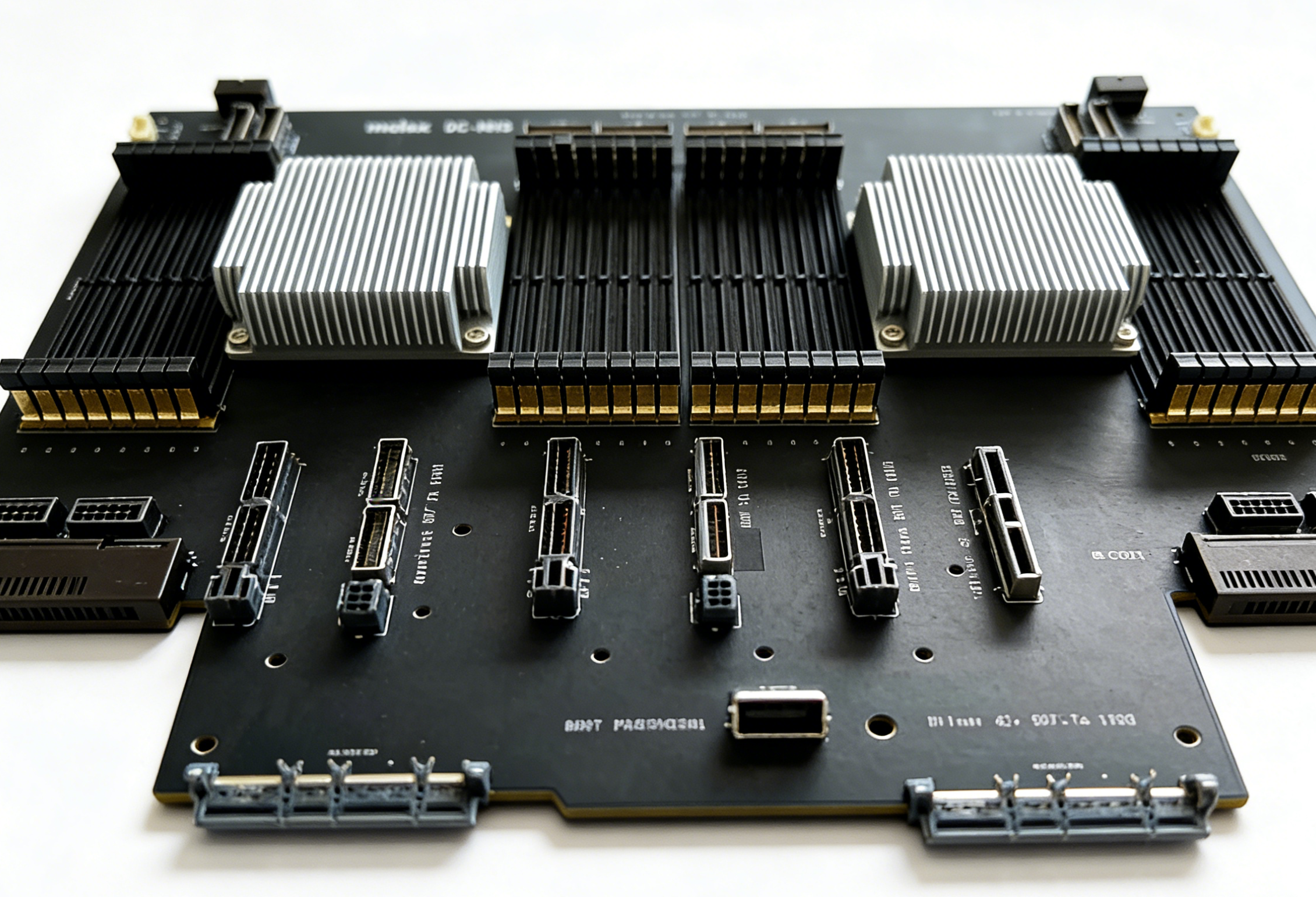
M-HPM (Host Processor Module) Workflow

The M-HPM (Host Processor Module) workflow is designed to define and standardize the PCB/PCBA form factor (or HPM) within modular data center modules, enabling easy addition and reduction of components as needed. By achieving this, the M-HPM workflow significantly enhances data center flexibility and scalability, allowing smooth adaptation and expansion in modular data center environments.
2

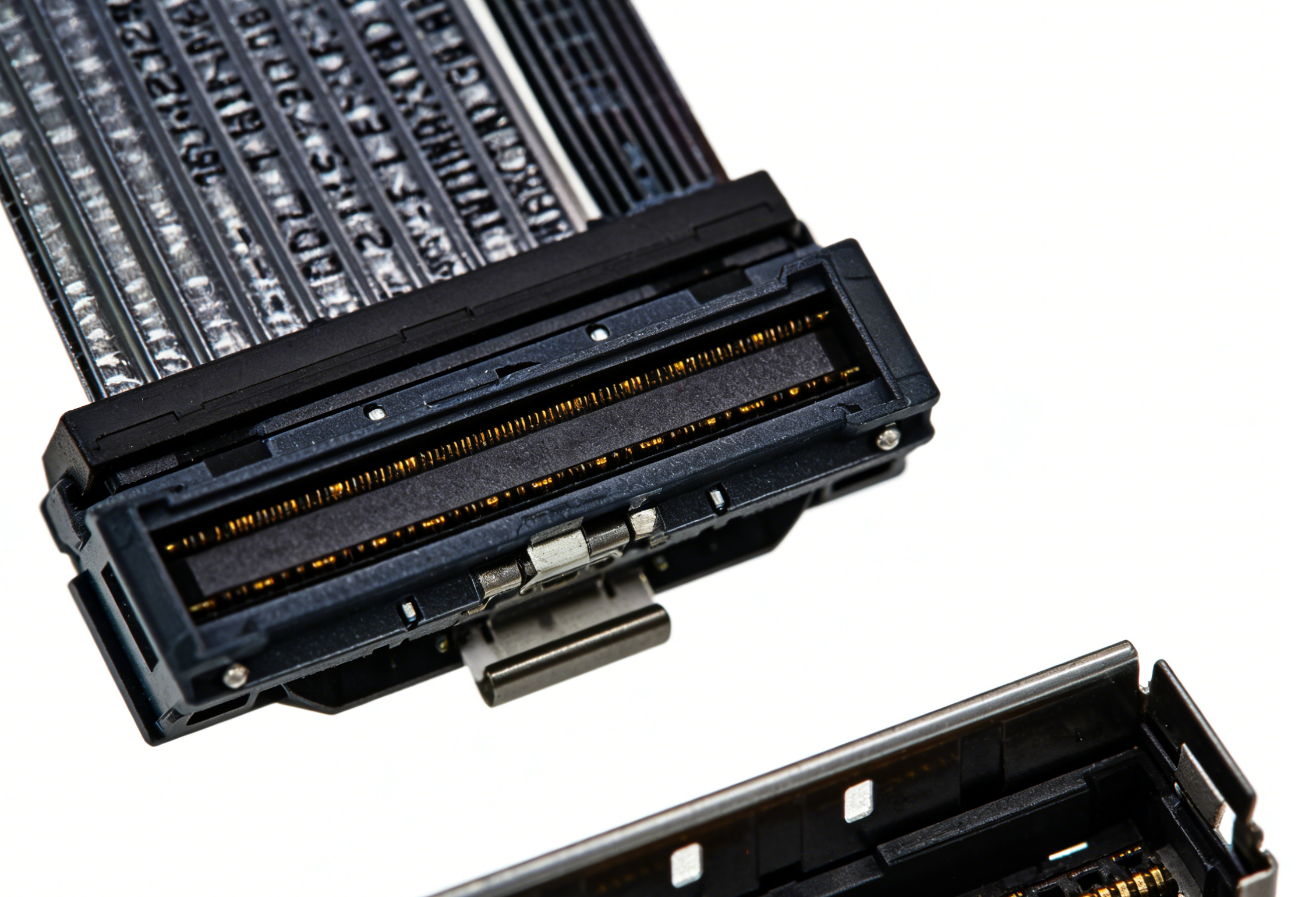
M-XIO / PESTI (Expandable I/O / Peripheral Sideband Tunnel Interface)

The M-XIO / PESTI workflow consists of two parts. First, it defines the connector, pinout, and signal interface details for the Modular Expandable I/O (M-XIO) source connector, which serves as the entry and exit point between sources such as motherboards and HPMs and peripheral subsystems such as PCIe riser cards and backplanes.
3

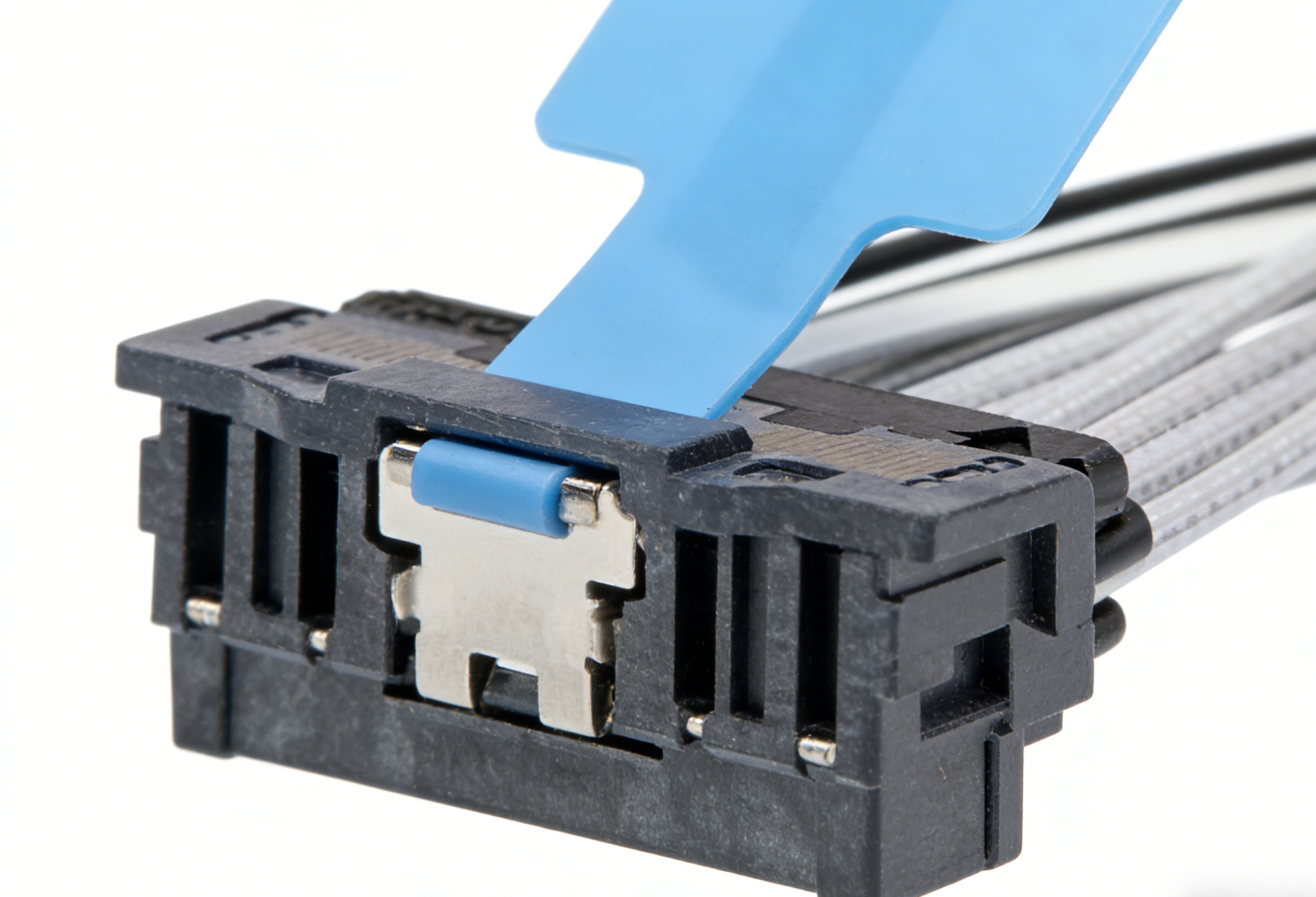
M-PIC (Platform Infrastructure Connection)

The M-PIC workflow standardizes the components required to connect HPMs with platform and chassis infrastructure, including cooling, power distribution, and networking. As a result, M-PIC simplifies communication between modules, further improving resource efficiency and management, reducing operating costs, and enhancing overall performance in data center environments.

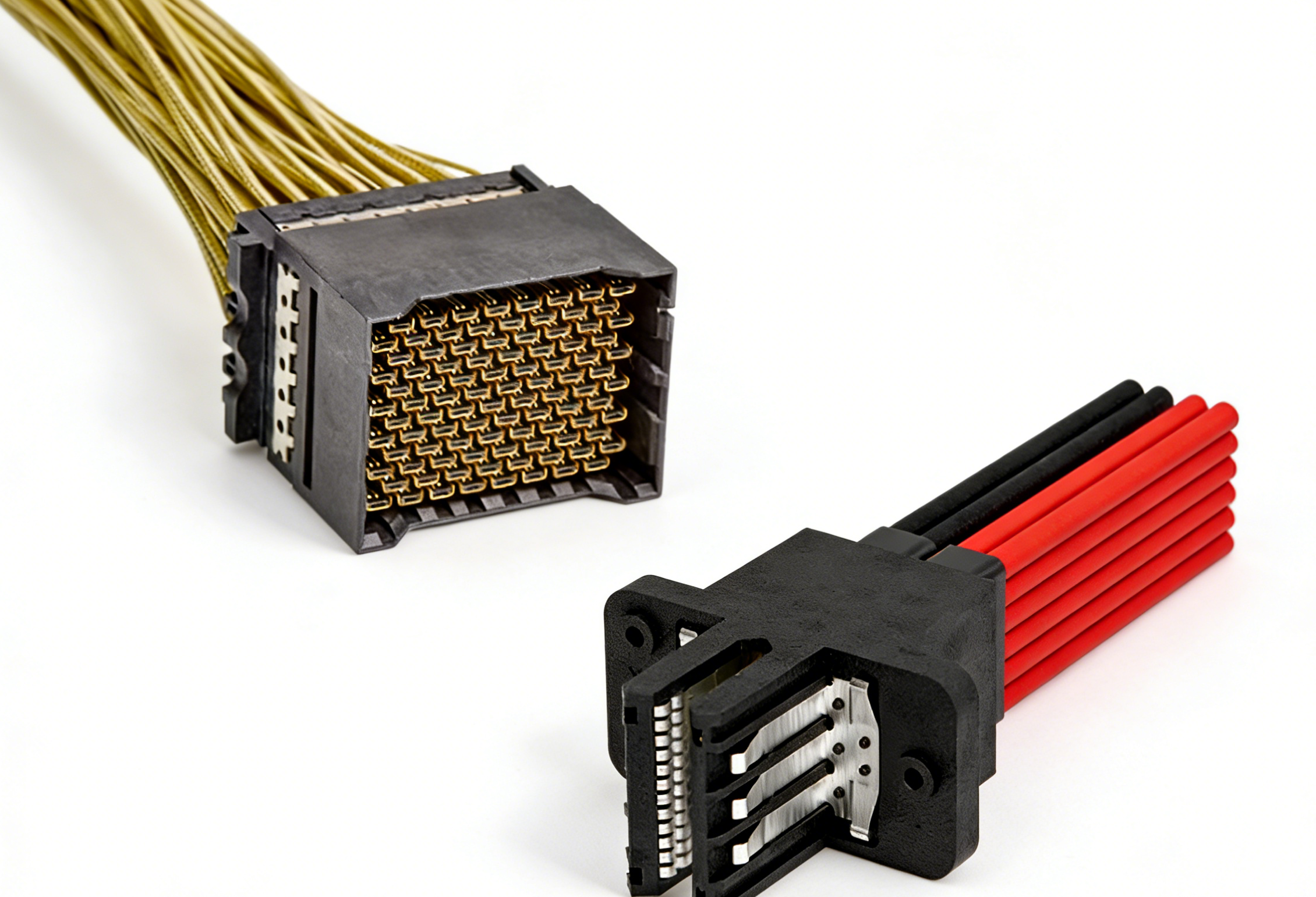
MST NearStack PCIe Connector System is part of the preferred extension for the M-PIC workflow.
4

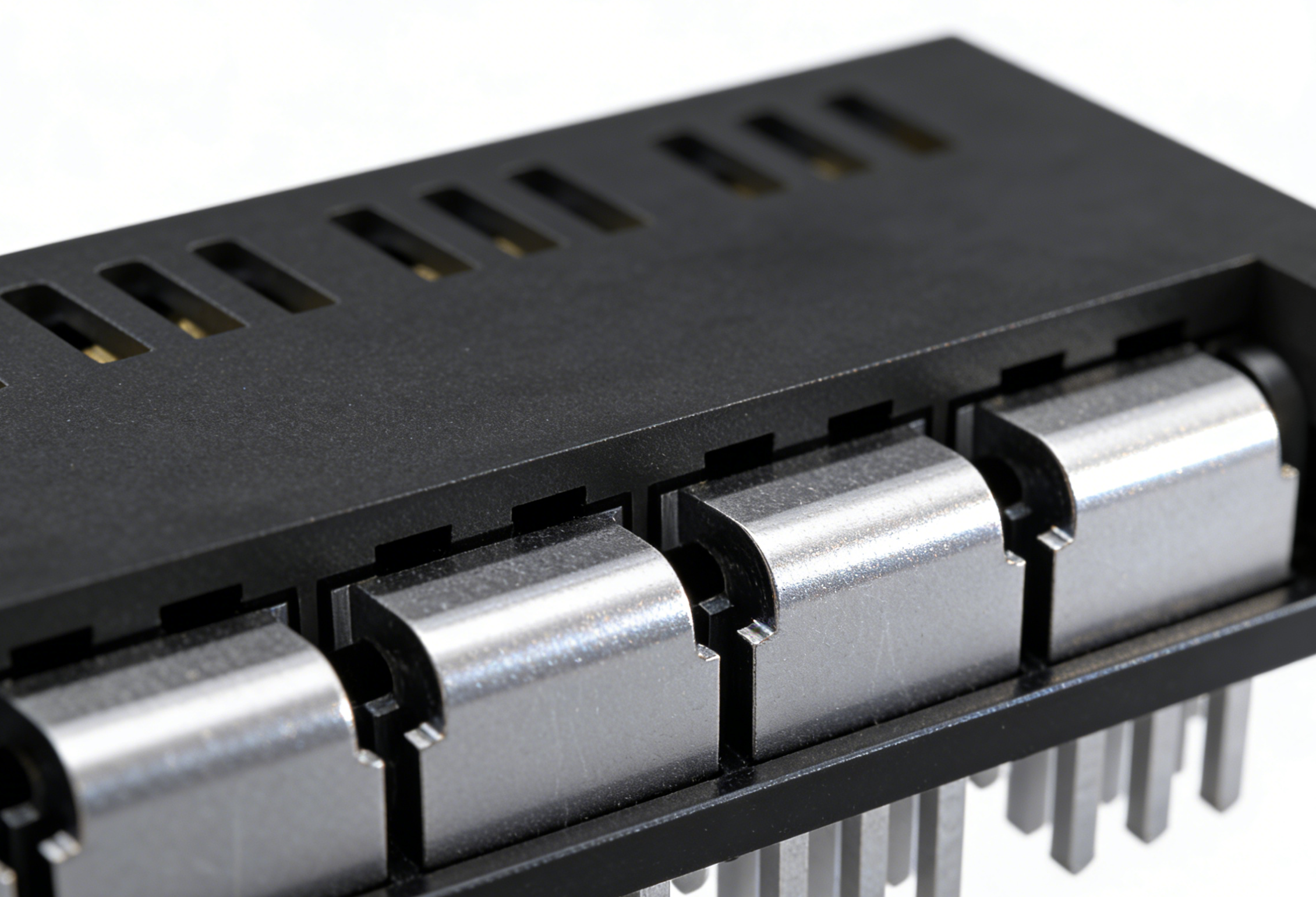
M-CRPS (Common Redundant Power Supply)

The M-CRPS workflow specifies requirements for internal redundant power supplies, enabling standardization across data centers and vendors. By implementing common and redundant power supply designs, the M-CRPS workflow significantly improves overall stability and uptime of data center infrastructure, protecting critical operations from potential disruptions.

MST continues to invest in solutions that actively support DC-MHS. We will soon release a new CRPS connector specifically designed to meet the requirements of the M-CRPS workflow.
5

M-SIF (Shared Infrastructure)

The M-SIF (Shared Infrastructure) workflow aims to improve interoperability for shared infrastructure enclosures that house multiple serviceable modules, including Host Processor Modules (HPMs), Data Center Storage and Compute Modules (DC-SCMs), and any peripheral devices. The goal is to facilitate live and hot-plug capabilities, enabling smooth insertion and removal of these modules without requiring precise alignment. As a result, the enclosure remains operational, ensuring uninterrupted data center performance.



Workflow

  1. Material Preparation – High-conductivity copper stock.

  2. Stamping & Machining – Cut, punch, and machine to OCP specifications.

  3. Plating – Nickel plating for oxidation resistance and stable contact.

  4. Bending – Precise bending to fit power shelf or busway systems.

  5. Inspection – Dimensional accuracy and surface quality verification.

Specifications

Parameter Description
Material Copper (C1100)
Plating Nickel (standard)
Voltage 48V DC (typical)
Applications OCP-compliant power shelves, busway systems, rack power distribution
Standards OCP specifications

Application

轨道交通

Rail Transit

电力电子

Power Electronics

通讯与数据领域

Communications & Data Sector

光伏逆变器

Photovoltaic Inverter

新能源电动汽车

New Energy Electric Vehicle    

风电变流器

Wind Power Converter

Maintenance

  • Inspect contact surfaces for oxidation or contamination.

  • Verify bolt torque to ensure low-resistance connections.

  • Keep busbars free from dust and debris in data center environments.

❓ FAQ

Q: What is OCP?
A: OCP (Open Compute Project) is an open-source initiative focused on designing efficient, scalable data center hardware.

Q: Why use 48V distribution?
A: 48V systems reduce power loss over distance and improve efficiency compared to 12V architectures.


Previous: 
Next: 
A Reliable Global Partner for Precision Nickel Strips.

Quick Links

Product Category

Contact Us
WhatsApp: +8613712303213
Skype: inquire@aridamachinery.com
Tel: +86-769-83103566
E-mail: inquire@aridamachinery.com
Address: No. 1, Hongyun Road, Shuibei Village, Shipai Town, Dongguan City, Guangdong Province, China

Follow Us

Copyright © 2024 Dongguan Arida Machinery Equipment Co., Ltd. All Rights Reserved.  Sitemap I Privacy Policy