Overview
The Injection Molded Busbar integrates copper or aluminum conductors into a precision-molded plastic housing, providing a compact and fully insulated power distribution solution. Ideal for electric vehicle inverters, power distribution units (PDU/BDU), and high-voltage systems, this design eliminates the need for separate insulation components and reduces assembly complexity. With UL94-V0 flame retardant materials and customizable shapes, it ensures safe and reliable performance in space-constrained applications while maintaining high current-carrying capacity.
Workflow
Conductor Fabrication – Stamping or machining of copper/aluminum conductors.
Insert Molding – Place conductors into injection mold and encapsulate with engineering plastic.
Post-Molding Processing – Trim flash, add terminals or mounting features.
Electrical Testing – Verify insulation resistance and dielectric strength.
Assembly – Integrate into customer-specific modules or housings.
Specific Application
Technical Specifications
| Parameter | Description |
| Conductor Material | Copper, Aluminum |
| Insulation Material | PBT, PA66, or engineering plastic (UL94-V0) |
| Voltage Rating | Up to 1000V |
| Operating Temperature | -40℃ – 125℃ |
| Applications | EV inverter, PDU, BDU, high-voltage junction box |
Market Application
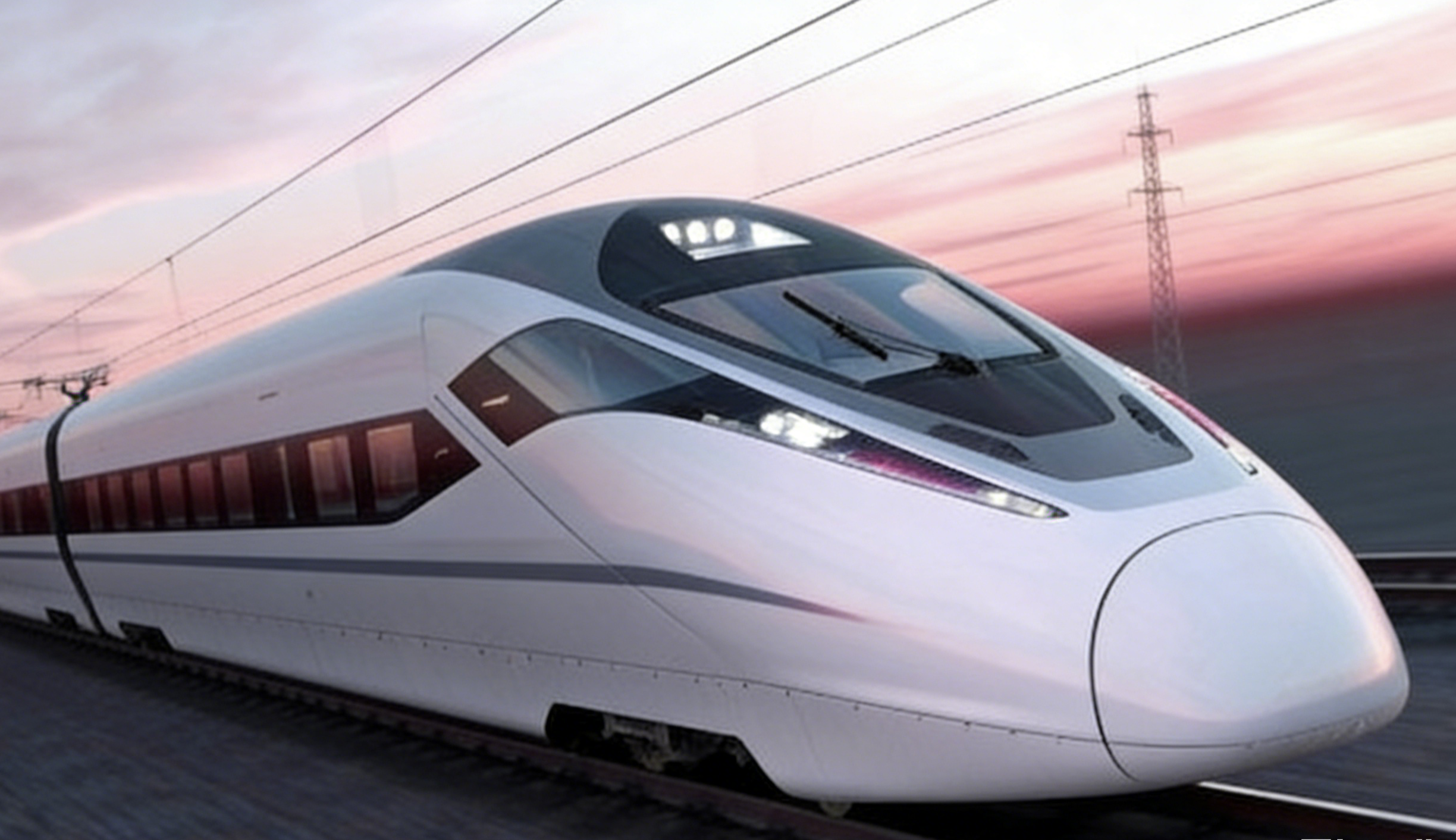
Rail Transit
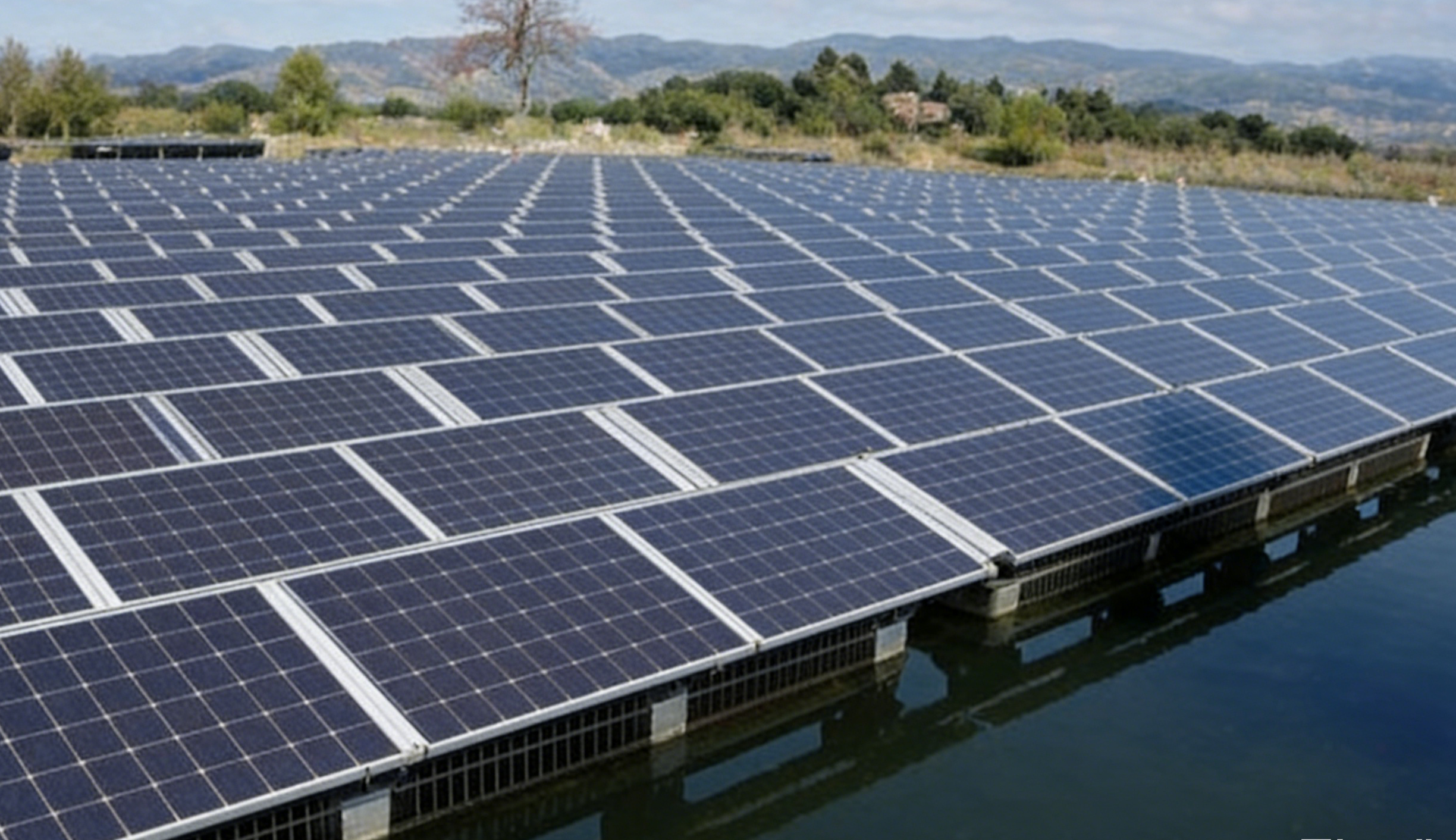
Photovoltaic Inverter

Wind Power Converter
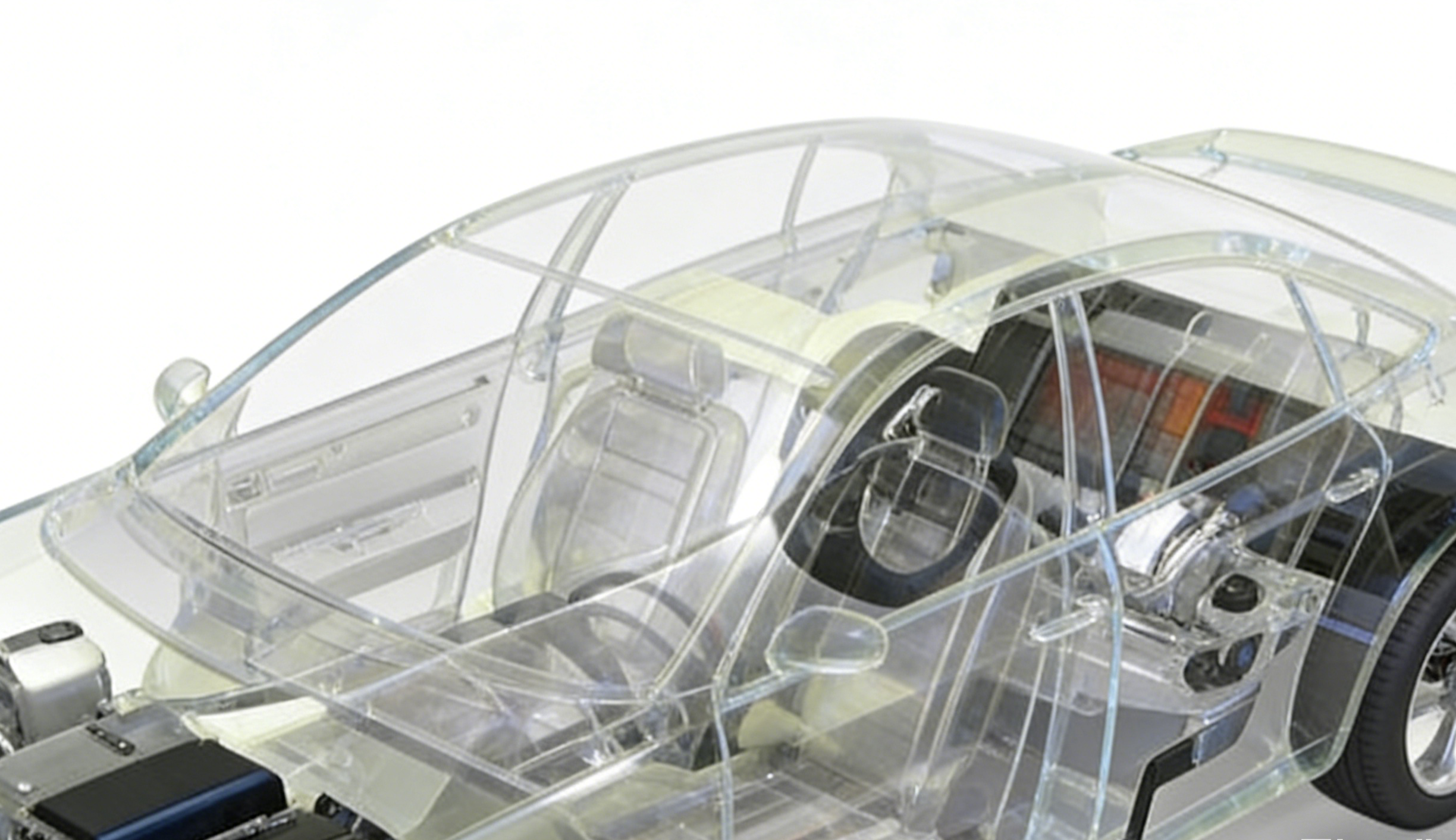
New Energy Electric Vehicle
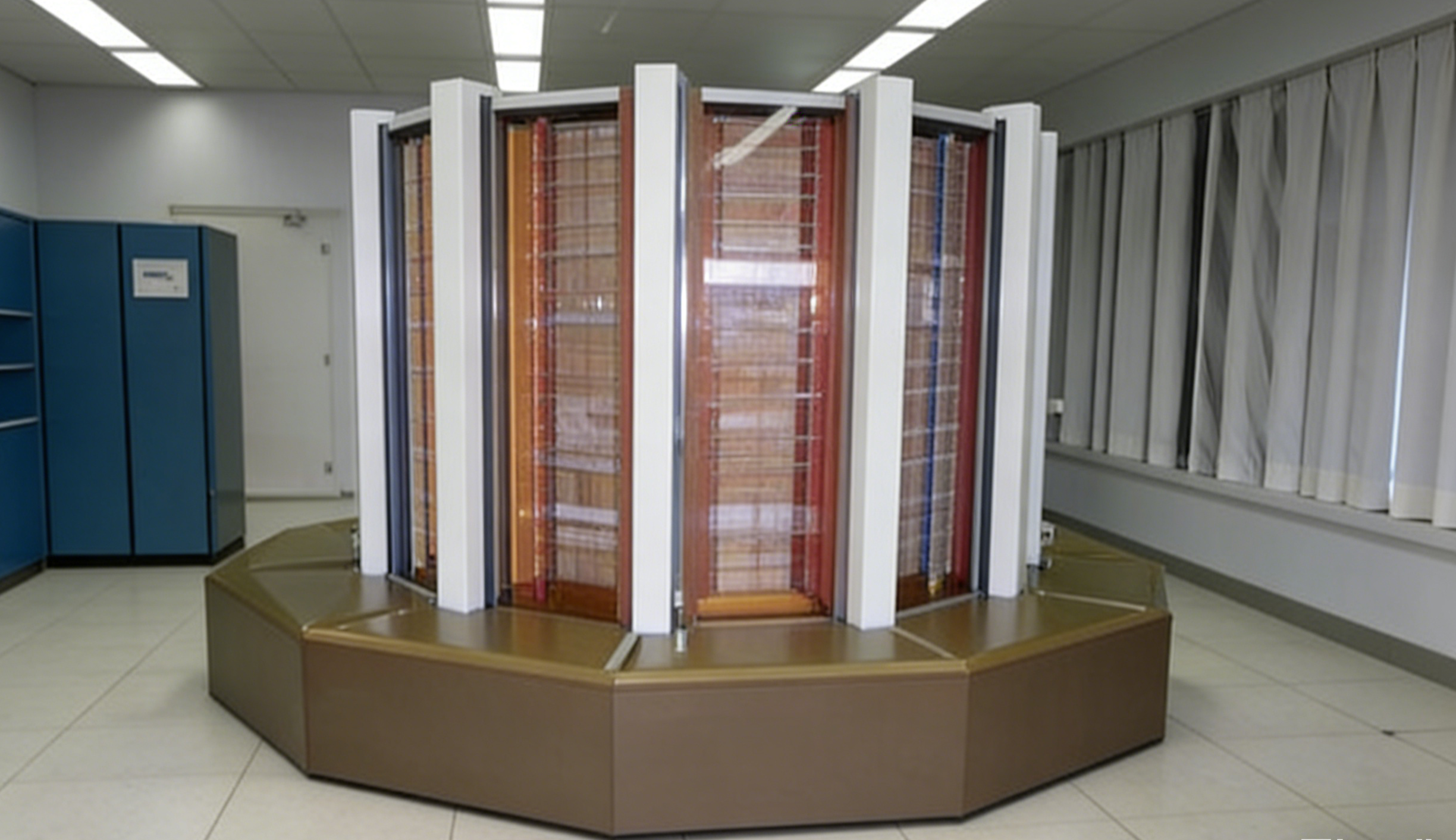
Communications & Data Sector
Power Electronics
❓ FAQ
Q: What are the benefits of injection molding over traditional insulation?
A: It provides precise positioning of conductors, reduces assembly labor, and ensures consistent insulation performance.
Q: Can the housing color be customized?
A: Yes, color can be specified for functional identification (e.g., high-voltage orange).