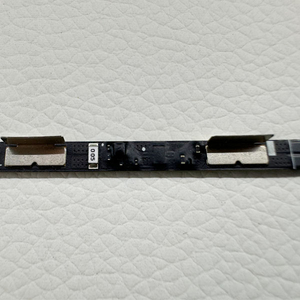
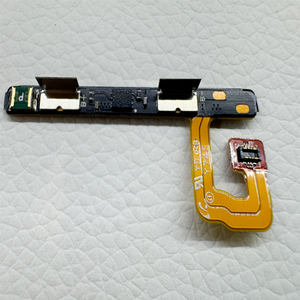
Overview
The Flexible Busbar (Soft Connection) is designed for applications requiring high vibration resistance and flexible installation in electric vehicle battery packs and energy storage systems. Made from stacked copper or aluminum foils welded at both ends, it provides excellent conductivity while allowing movement and thermal expansion. This structure reduces stress on terminal connections and improves overall system reliability. With customizable dimensions and materials, the soft busbar is ideal for connecting modules within a battery pack, ensuring stable current transmission even under dynamic mechanical conditions.
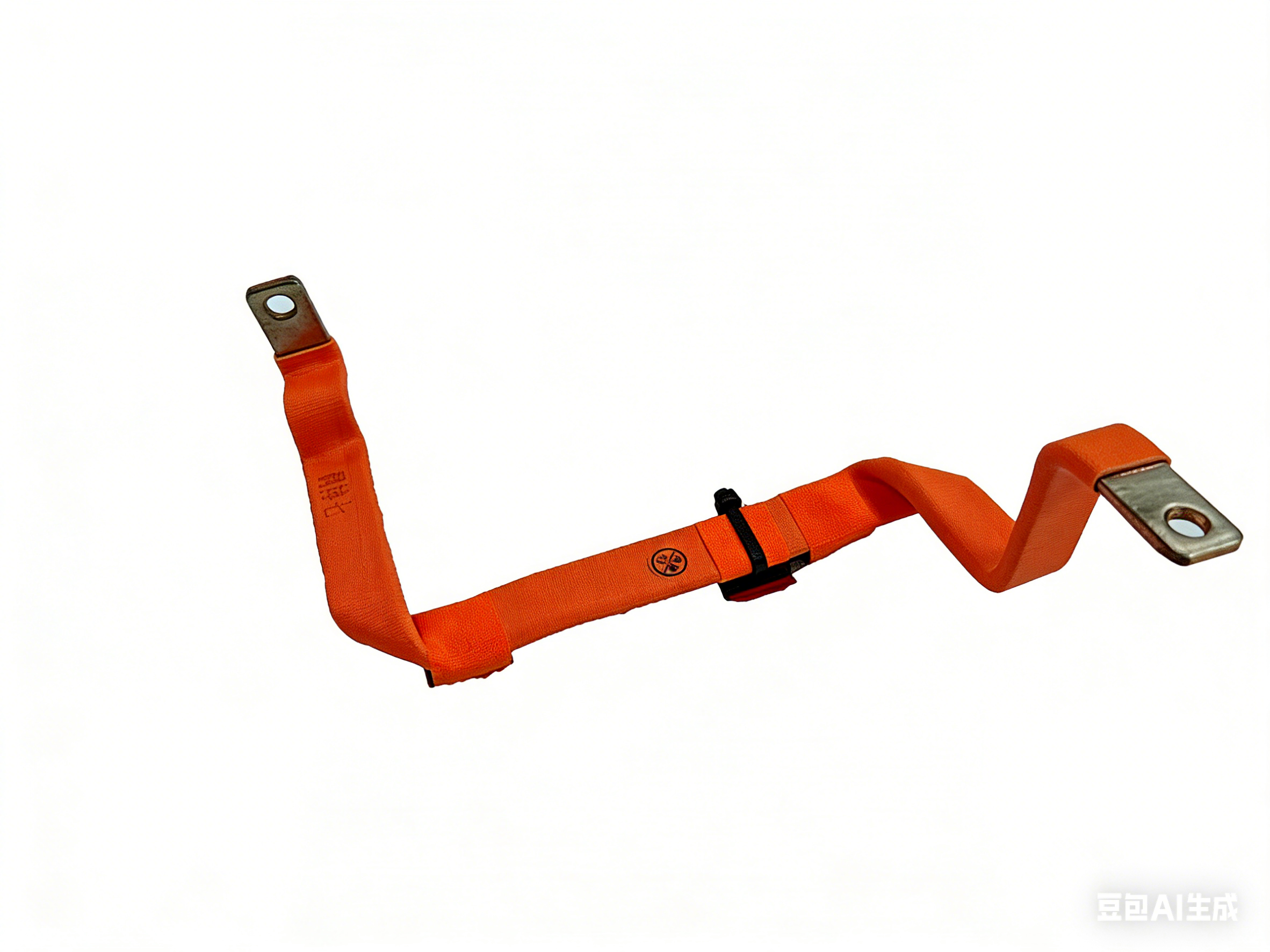
Orange Corrugated Flexible Connector
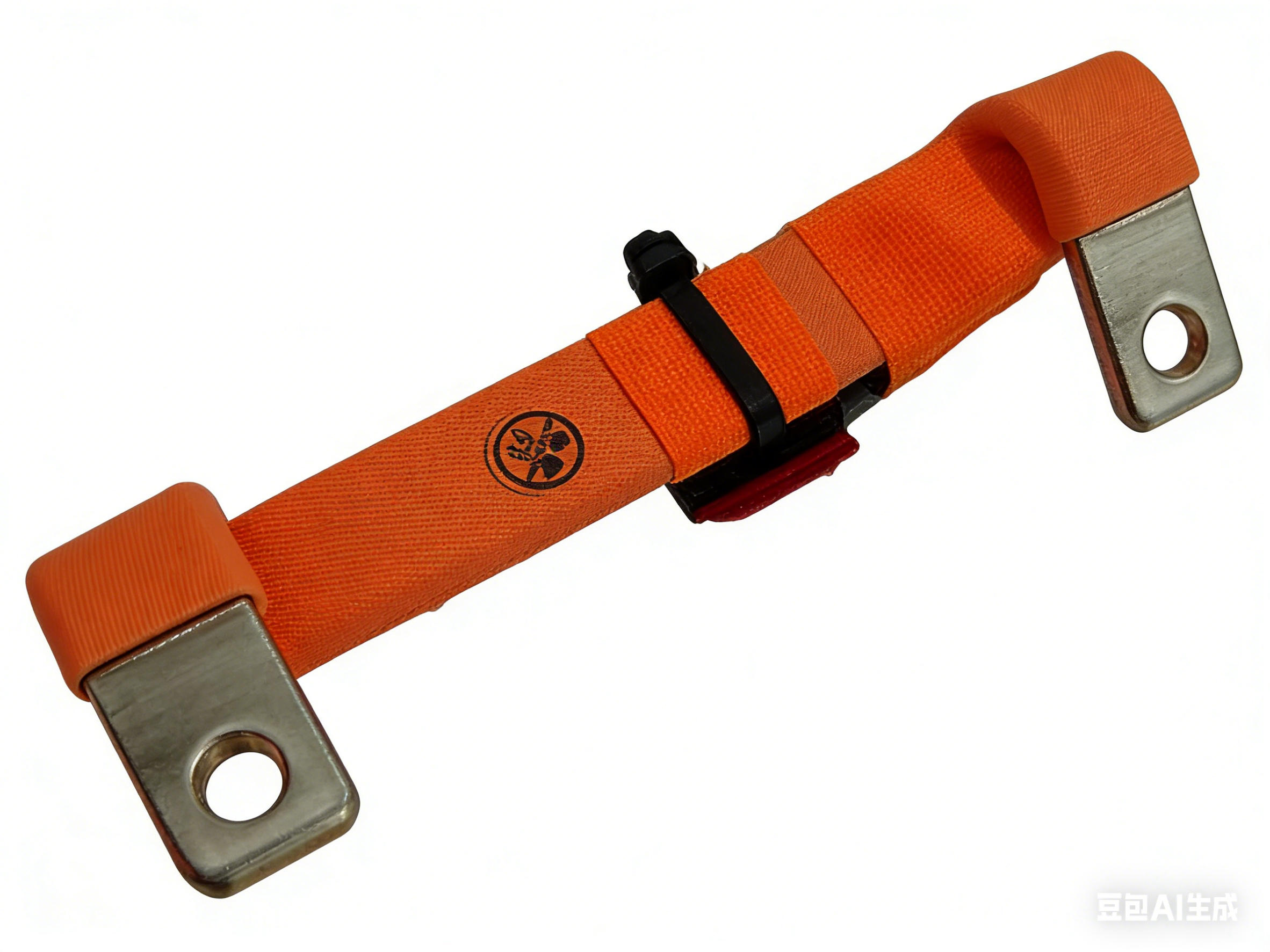
Orange Corrugated Flexible Connector
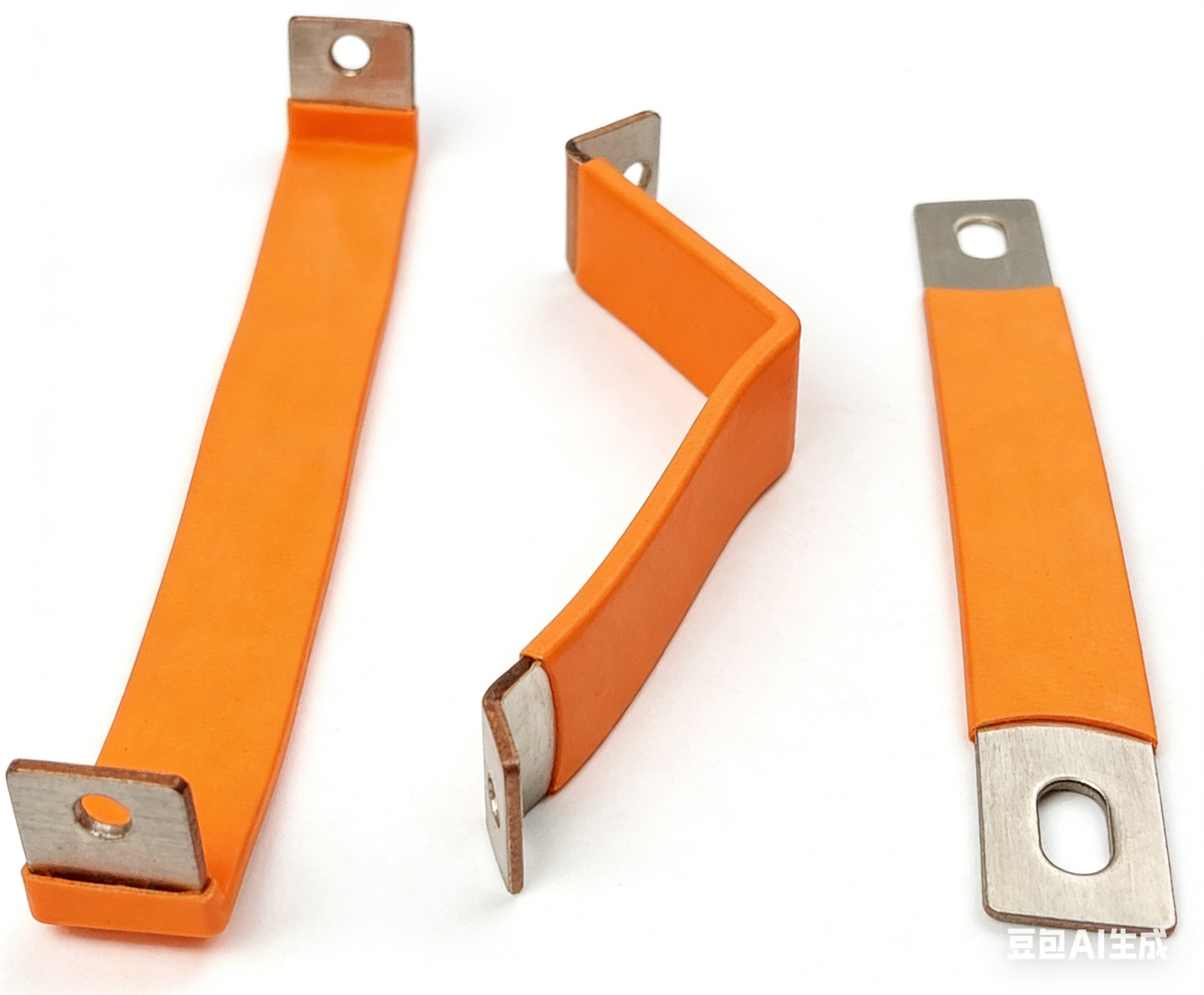
Orange Rigid-Insulation Flexible Connector (Laminated Copper Foil Type)
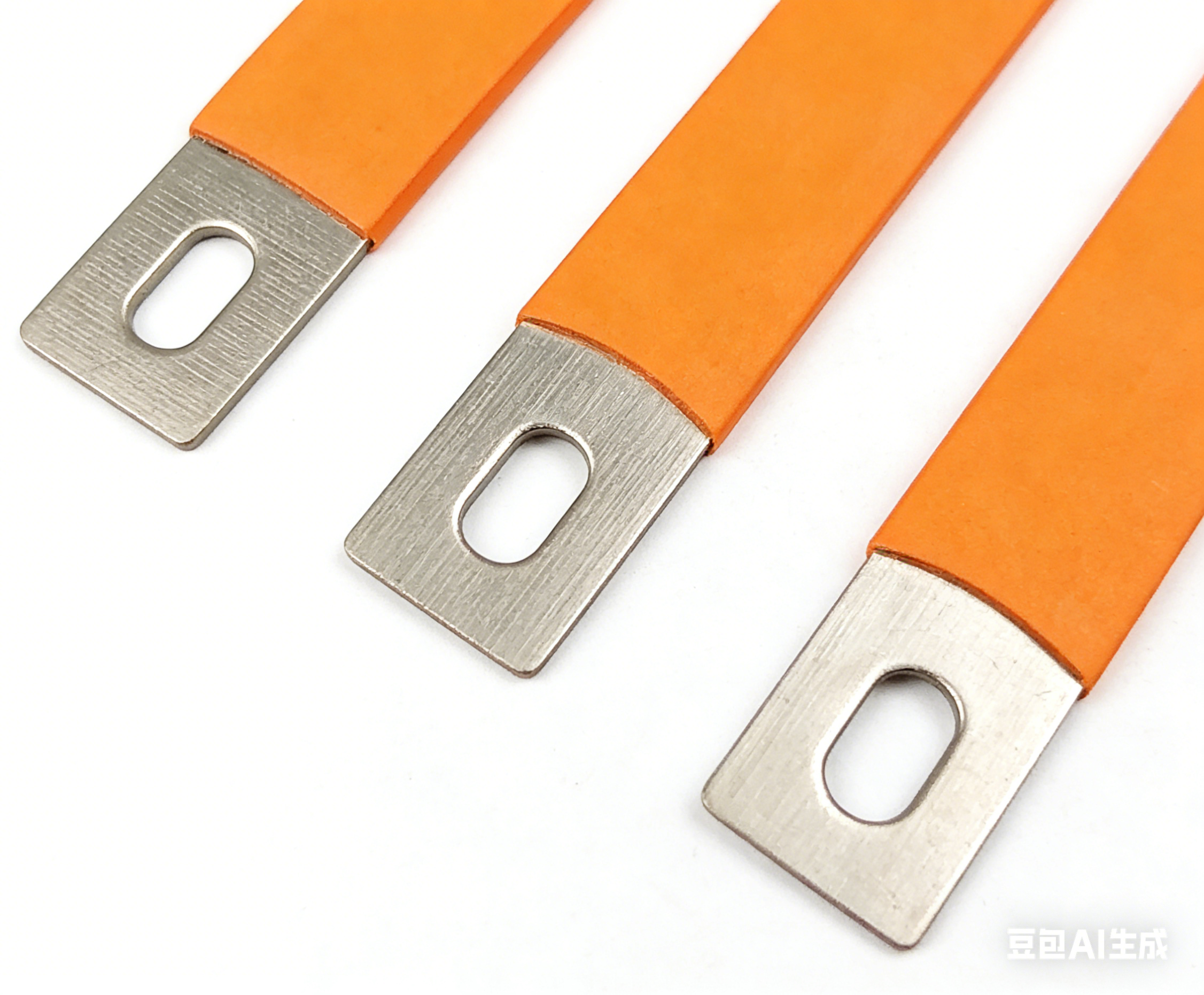
Orange Rigid-Insulation Flexible Connector (Laminated Copper Foil Type)
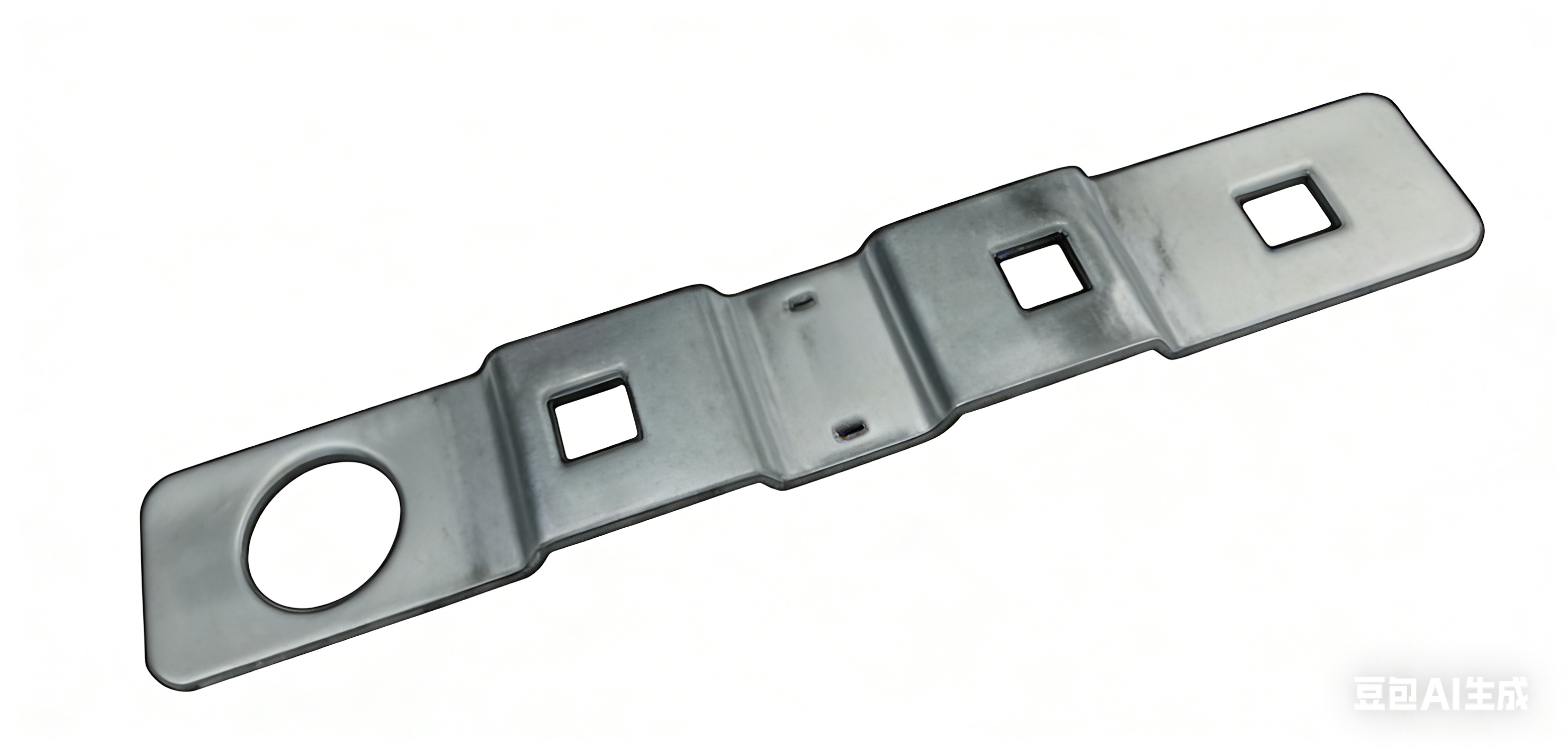
Elongated Stamped Flexible Connector Terminal
Workflow
Material Preparation – Select copper or aluminum foils based on current requirements.
Stacking & Welding – Stack foils and weld ends using ultrasonic or diffusion welding.
Forming – Shape the flexible section to meet dimensional specifications.
Surface Treatment – Apply nickel or tin plating as required.
Insulation – Add heat shrink tubing or epoxy coating if needed.
Testing – Conduct tensile strength, conductivity, and thermal performance tests.
Packaging – Package to prevent deformation during transit.

Product Specifications
| Parameter | Description |
| Conductor Material | Copper (C1100, C1020), Aluminum (1060, 1050) |
| Stacking Thickness | 0.5mm – 20mm (customizable) |
| Surface Treatment | Nickel plating, tin plating, or bare |
| Operating Temperature | -40℃ – 125℃ |
| Insulation | Heat shrink tube, epoxy, or PVC |
| Applications | EV battery module connections, energy storage systems |
Market Application

Rail Transit

Photovoltaic Inverter

Wind Power Converter
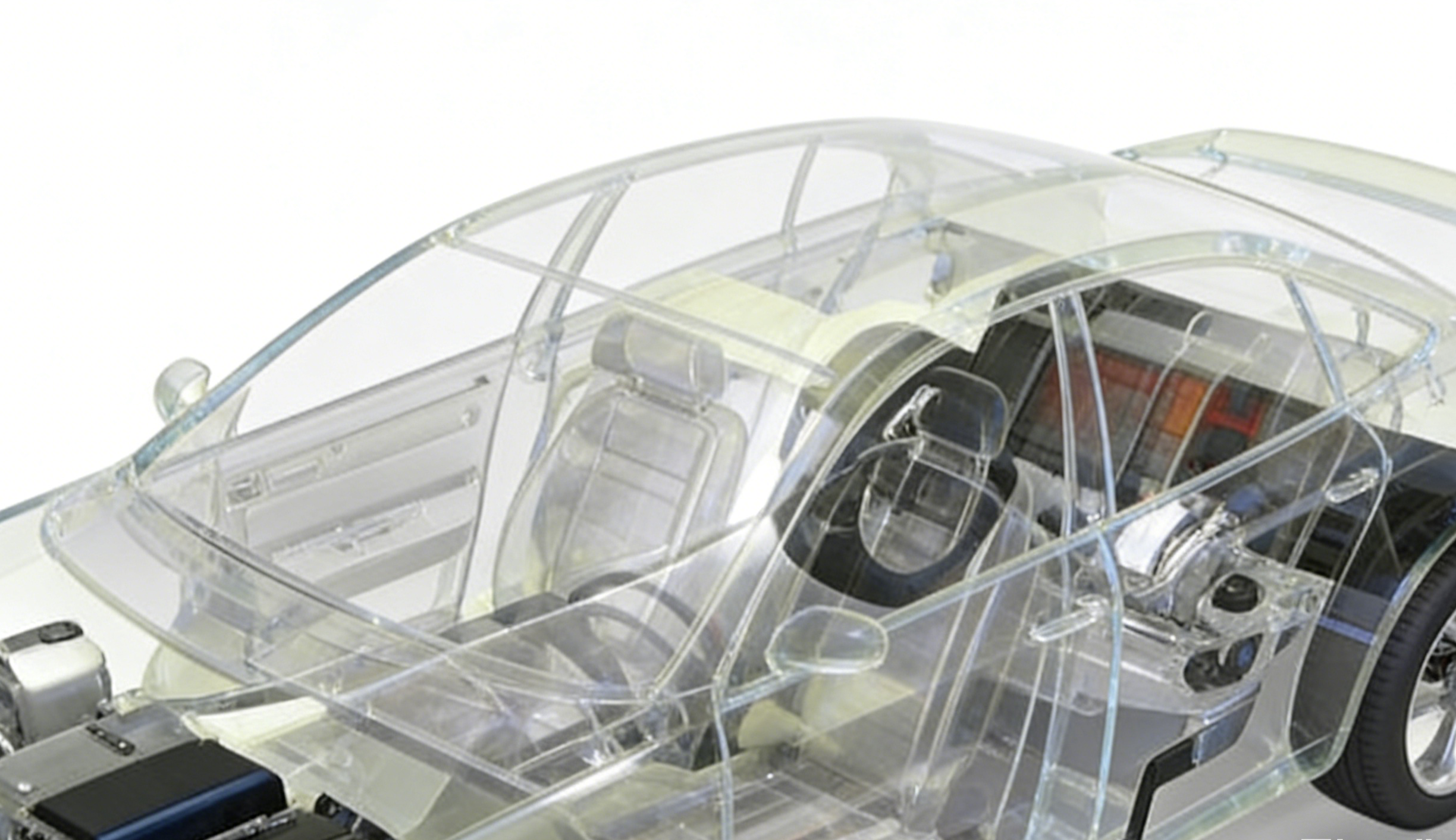
New Energy Electric Vehicle
Communications & Data Sector

Power Electronics
️ Maintenance
Inspect flexible sections for fatigue or cracking after extended vibration exposure.
Ensure insulation is intact to prevent short circuits.
Follow torque specifications for bolted ends to avoid over-compression.