Transitioning from low-drain consumer electronics to high-power applications exposes the strict thermal and electrical limitations of standard battery connections. Devices like electric vehicles, heavy-duty power tools, and massive grid storage systems demand incredibly robust interconnects. High-capacity cylindrical formats output tremendous current. The choice of tab material directly dictates internal resistance across the entire module. Furthermore, it impacts your thermal management overhead heavily. It also determines your daily manufacturing yield and guarantees long-term pack safety under mechanical stress. Engineers constantly face difficult trade-offs between electrical performance and factory production capabilities. This guide deeply breaks down the engineering realities and manufacturing trade-offs necessary for precise Battery Tab Material Selection. We deliberately separate theoretical lab performance from actual factory-floor viability. You will learn how to perfectly balance strict electrical targets against the practical limits of your existing welding infrastructure.
Key Takeaways
- Effective Battery Tab Material Selection requires balancing electrical conductivity targets with existing welding infrastructure capabilities.
- Pure Nickel remains the baseline for reliable, low-defect resistance spot welding, but introduces severe thermal bottlenecks in high-ampere applications.
- Nickel-Plated Copper Strips offer a massive leap in conductivity but introduce complex tooling requirements (laser welding) and potential edge-corrosion risks.
- Copper-Nickel Bimetallic Tabs represent the premium high-power solution, offering the conductivity of copper combined with the resistance-welding compatibility of nickel, optimizing both performance and manufacturing scalability.
The Engineering Problem: Conductivity vs. Weldability
Electrical current flowing through a conductor generates inevitable heat. We calculate this fundamental physics challenge using the I⊃2;R formula. The letter I represents electrical current. R represents the electrical resistance of the material. High-power applications pull massive currents during acceleration or heavy loads. Small tab resistances multiply rapidly into massive thermal bottlenecks right at the cell connection. This generated heat transfers directly back into the battery cells. Lithium-ion chemistries, especially high-nickel NMC cells, degrade quickly at elevated temperatures. You lose overall pack longevity and cycle life. We must absolutely minimize tab resistance.
We now face the infamous welding paradox. We desperately want highly conductive materials. Copper seems like the obvious, perfect choice. However, traditional resistance spot welding relies heavily on localized heat generation. The welder pushes a massive pulse of current between two copper electrodes. The target metal resists this current flow. This localized resistance melts the metals together into a permanent nugget. Copper practically eliminates this required resistance. It also dissipates any applied heat almost instantly. You cannot spot weld it reliably. You either create weak, brittle joints or blow massive holes directly in the negative cell terminal. Conversely, highly resistive metals weld effortlessly. They capture the heat perfectly. Yet, they generate dangerous excess heat during continuous battery operation.
Choosing the wrong metal carries severe business consequences. You might prioritize thermal efficiency poorly by forcing copper into incompatible machines. This leads to weak welds, severe vibration failures, and high manufacturing defect rates. You might prioritize easy welding instead by using thin pure nickel. This leads to early field failures from extreme thermal degradation. We must carefully navigate this delicate balance.
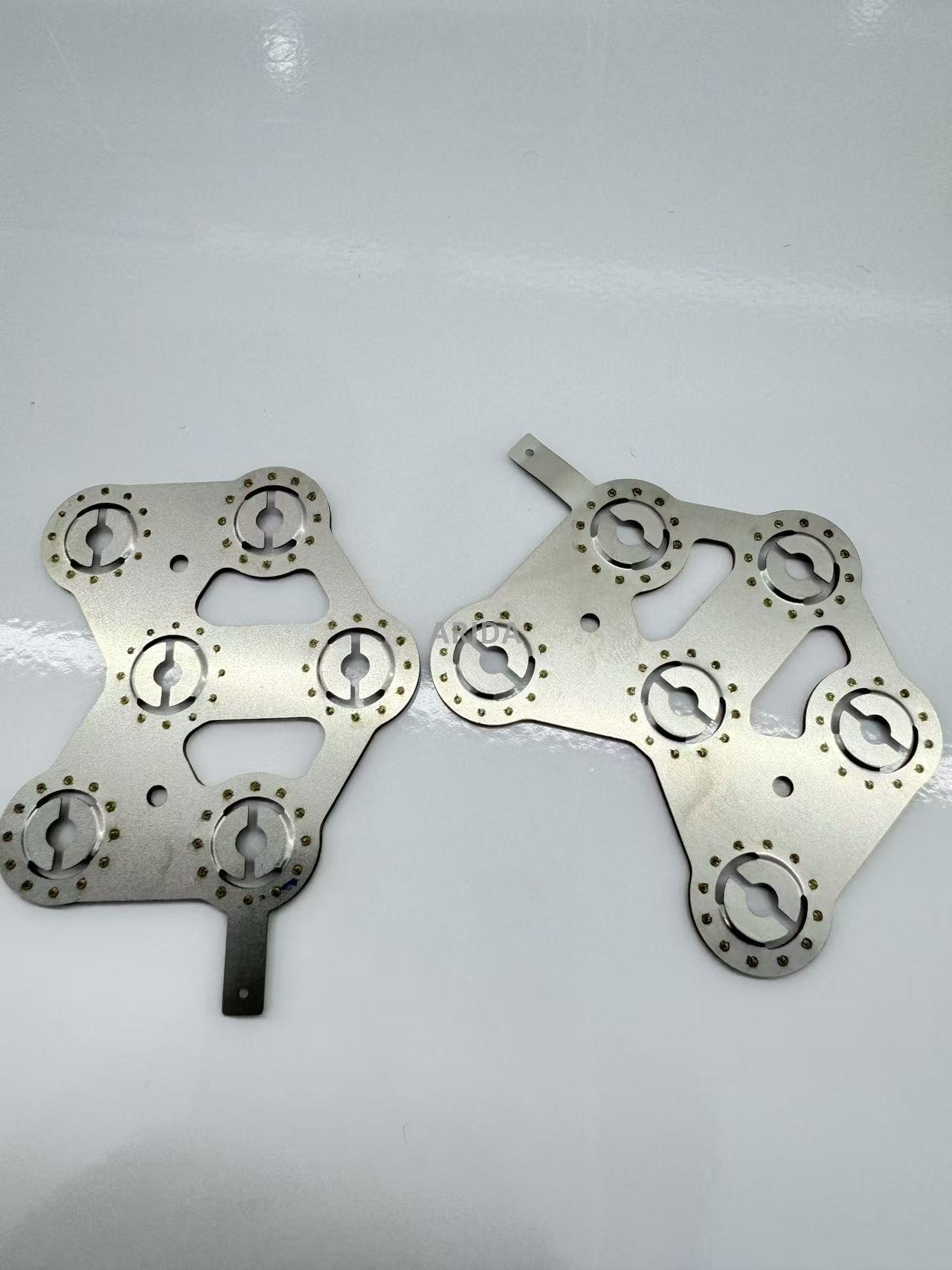
Evaluating Pure Nickel: The Industry Baseline
Pure nickel dominates standard battery pack assembly globally. It offers exceptional natural corrosion resistance. It creates the perfect electrical resistance for standard capacitive spot welders. AC pulse spot welders also handle it beautifully without complex parameter tuning. We rely on it heavily for consistent manufacturing reliability. You rarely see weak weld penetration when your settings are dialed in. It forms incredibly strong nuggets against standard steel cylindrical cell casings.
However, pure nickel presents severe performance limits. Its electrical conductivity maxes out roughly around 22% to 25% IACS. IACS stands for the International Annealed Copper Standard. It heavily restricts current flow compared to a pure copper conductor. Manufacturers often try a simple, intuitive workaround. They increase the nickel strip thickness. They hope this lowers the overall resistance footprint. This strategy fails quickly on the factory floor. Thick nickel rapidly exceeds standard spot welder penetration capabilities. Standard factory equipment maxes out around 0.2mm or 0.3mm thickness. Pushing beyond this limit requires massive energy pulses. You risk burning directly through the thin cell wall. This releases highly flammable electrolyte and compromises safety.
Pure nickel fits specific product categories perfectly. We recommend it strictly for low-to-medium drain applications. E-bikes, standard home energy storage systems, and daily consumer electronics fit this profile beautifully. Manufacturing simplicity matters most in these specific sectors. These products rarely push extreme, sustained currents over long durations. You easily avoid the need for extreme thermal efficiency.
Evaluating Nickel-Plated Copper Strips
We absolutely need massive conductivity leaps for high-power packs. Nickel-Plated Copper Strips provide a highly effective, high-performance solution. They deliver near-copper conductivity across the entire busbar. You achieve close to 100% IACS performance. The core consists of pure, highly conductive solid copper. A very thin nickel plating covers the exterior surface. This advanced setup drastically reduces voltage sag under heavy motor loads. Heat generation drops to a tiny fraction of typical pure nickel levels. It also costs significantly less upfront compared to specialized bimetallic alternatives.
However, manufacturing realities introduce steep, expensive challenges. You cannot weld these strips reliably using standard resistance welders. The thick copper core pulls welding heat away instantly. You must use advanced fiber laser welding infrastructure. Laser welders melt the metals cleanly from the top down. They do not rely on electrical resistance at all. This equipment requires massive capital investment. It also demands precise focal length control, strict safety enclosures, and custom clamping tooling.
Environmental vulnerability remains a hidden, severe risk. Manufacturers often buy large, wide plated rolls. They then slit these rolls down to custom narrow widths. This mechanical slitting process shears off the protective nickel plating. It exposes raw copper edges along the entire length of the strip. Copper oxidizes rapidly when exposed to atmospheric humidity. It also invites rapid galvanic corrosion over time. You risk long-term connection degradation if you deploy these in marine environments.
These specific strips fit highly controlled manufacturing environments best. You need massive, high-volume production lines to justify the equipment. You must already own established laser welding capabilities. Tightly controlled, low-humidity operating environments are absolutely mandatory. You cannot deploy these in highly corrosive outdoor enclosures easily.
Evaluating Copper-Nickel Bimetallic Tabs
Advanced aerospace and automotive applications demand a perfect compromise. Copper-Nickel Bimetallic Tabs represent the absolute premium tier of interconnects. Manufacturers physically fuse a thick copper base layer directly to a targeted nickel top layer. This intensive process uses extreme mechanical pressure. It creates a seamless molecular bond between the two disparate metals. This brilliant innovation solves the welding paradox entirely. The thick copper bottom handles the massive electrical current flow effortlessly. The thin nickel top layer sits right under your welding electrodes. It catches the electrical heat perfectly for reliable, deep spot welds.
The implementation outcomes literally transform your factory capabilities. You achieve high-ampere connections almost instantly. You do not need to upgrade to expensive laser welding stations. Your existing capacitive resistance spot welders work perfectly without modification. You drastically lower operating temperatures across the entire pack structure. High-C-rate discharges no longer threaten fragile cell longevity. You entirely eliminate artificial thermal throttling in your battery management system.
Let us carefully analyze the upfront cost versus long-term return on investment. You definitely pay a higher upfront component cost per tab. Bimetallic manufacturing requires highly specialized cladding machinery and strict quality control. However, you offset this premium incredibly quickly. You avoid multi-million-dollar capital expenditures on complex laser welding tools. You drastically reduce pack-failure rates out in the field. Your warranty claims drop significantly over the lifespan of the product.
These premium tabs fit the most demanding applications possible. Electric vehicle modules require them for rapid acceleration. Heavy-duty construction power tools rely on them for sustained torque. Aerospace applications demand their absolute reliability. They provide maximum safety margins under heavy cyclic loading. They also offer robust, proven vibration tolerance under extreme physical stress.
| Material Type | Conductivity (IACS) | Weldability (Resistance Spot) | Primary Implementation Risk |
| Pure Nickel | 22% - 25% | Excellent | Severe thermal bottleneck at high amp draws |
| Nickel-Plated Copper | ~95% - 98% | Very Poor | Requires costly laser welding; exposed edge corrosion |
| Copper-Nickel Bimetallic | ~85% - 90% | Excellent | Higher initial component procurement cost |
Decision Framework for Battery Tab Material Selection
Choosing the perfectly correct material requires a highly structured, objective approach. Follow this standardized decision framework to avoid costly redesigns.
Step 1: Define Current & Sizing Limits
We recommend calculating your maximum continuous and absolute peak amp draw first. Map these precise figures against your required cross-sectional area. You multiply material thickness by strip width to find this vital area. Cross-reference this calculated area against standard metallurgical ampacity charts. Determine the exact required thickness if you strictly use pure nickel. If this required nickel thickness exceeds the 0.2mm to 0.3mm threshold, stop immediately. Standard spot welders simply cannot penetrate it safely. You must transition to highly conductive alternative materials.
Step 2: Audit Manufacturing Infrastructure
Your existing factory machinery dictates your realistic options heavily.
- Standard Resistance or Capacitive Spot Welders strictly limit your material choices. You must select pure nickel for low power or bimetallic options for high power.
- Advanced Fiber Laser Welders open up completely new engineering pathways. You can safely select economical nickel-plated copper or premium bimetallic options.
Step 3: Assess Environmental Exposure
Evaluate the strict IP (Ingress Protection) rating of the final battery pack. High humidity environments cause rapid copper oxidation. Corrosive marine applications actively destroy exposed copper elements. These harsh environments dictate pure nickel outright. Alternatively, you can securely use fully clad bimetallic strips. You must avoid standard slit plated copper entirely. The exposed bare copper edges will definitely fail prematurely.
Procurement Risks and Quality Control Avoidance
Global supply chains often hide incredibly dangerous shortcuts. The infamous "nickel-plated steel" trap ruins thousands of battery packs annually. Cheap, unethical suppliers often pass off basic nickel-plated steel as pure nickel. Steel possesses absolutely terrible electrical conductivity. It generates massive, uncontrollable heat under standard load. Worse, the ultra-thin nickel plating scratches off easily during normal pack vibration. The underlying cheap steel rusts rapidly inside your expensive pack. This creates a severe, immediate safety hazard. You must aggressively protect your production line against this specific threat.
We highly recommend standardizing your incoming quality assurance protocols. Never trust foreign material certificates blindly. Perform immediate, practical verification methods upon every delivery.
- Saltwater Corrosion Tests: Submerge random sample strips in strong saltwater. Wait a full 24 hours. Pure nickel remains completely clean and shiny. Plated steel shows obvious, deep rust spots.
- Spark Testing: Touch the sample strip briefly to a high-speed bench grinder. Pure nickel produces very few, short, dark red sparks. Steel produces long, exceptionally bright, branching sparks.
- Grind and Weld Tests: Aggressively file away the top surface. Try to spot weld it on your standard settings. If the weld fails or sticks poorly, you likely have exposed, resistive steel.
Tolerance control matters just as much as base material purity. Emphasize strict supplier tolerances in your purchase orders. Demand incredibly tight controls on overall plating thickness. Verify the mechanical shear strength of every bimetallic weld. Inconsistent, wavy cladding thicknesses ruin your spot welding parameters completely. One batch might weld perfectly. The next batch might blow catastrophic holes directly in your expensive cells. You must ensure completely consistent production runs through rigorous, unforgiving incoming inspection.
Conclusion
Tab material selection is never a generic, casual engineering choice. It requires precise, strategic alignment. You must balance extreme electrical demands against very strict thermal limits. You must also face your true factory-floor equipment realities head-on. Pure nickel serves incredibly well for basic, low-drain needs. Plated copper excels brilliantly if you already own advanced laser welders. Bimetallic tabs elegantly solve complex high-power and resistance welding paradoxes simultaneously.
We highly recommend specific next steps for your engineering team. Start immediately with rigorous thermal modeling of your proposed battery pack. Identify your absolute highest expected temperatures under peak continuous load. Next, order physical material samples of all three distinct options. Conduct aggressive destructive peel-tests using your exact existing factory welding equipment. Validate your theoretical lab models against actual, physical pull-strengths. This hands-on, practical validation guarantees a highly safe, infinitely scalable pack design.
FAQ
Q: How do I calculate the required size for a battery tab?
A: You determine the necessary cross-sectional area by multiplying the tab thickness by its width. Compare this final area against standardized ampacity charts for your chosen metal. Copper handles roughly three to four times more current than nickel for the exact same area. Always factor in a generous safety margin for unexpected peak bursts.
Q: Can I spot weld pure copper to an 18650 or 21700 cell?
A: Direct copper spot welding is highly unreliable without advanced laser technology. Copper dissipates heat incredibly fast. It also completely lacks the electrical resistance needed to generate a local melting pool. You will likely achieve weak joints or burn holes through the negative terminal. You always need a nickel interface to spot weld successfully.
Q: Are Copper-Nickel Bimetallic Tabs worth the extra cost?
A: Yes, they frequently deliver an excellent return on investment. The value comes directly from preventing thermal throttling in high-power packs. They also prevent highly expensive field failures. Most importantly, they allow you to utilize existing resistance spot welders. You completely avoid massive capital upgrades required for fiber laser welding stations.
Q: How can I tell if my supplier sent pure nickel or nickel-plated steel?
A: Use practical factory-floor testing immediately upon delivery. Perform a saltwater test by scratching the surface and applying brine; steel rusts quickly, while pure nickel does not. You can also perform a quick spark test with an abrasive grinder. Steel creates bright, branching sparks. Pure nickel throws very few dull, red sparks.