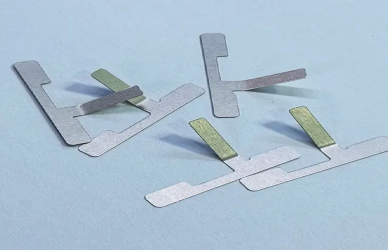
Nickel stamping is a critical manufacturing process used to produce precision parts from nickel and nickel alloys, which are essential in various industries such as aerospace, automotive, energy, and medical devices. The unique properties of nickel alloys, including exceptional corrosion resistance, high-temperature strength, and durability in harsh environments, make them the material of choice for applications where reliability and performance are paramount. Whether it's aerospace components that must withstand extreme temperatures or marine parts exposed to corrosive seawater, nickel stamping provides the solution for producing parts that meet demanding requirements.
The material selection is one of the most important factors that influence the success of the stamping process. Choosing the right material not only ensures the structural integrity and performance of the final product but also impacts the tooling, die design, production speed, and overall cost efficiency. Materials like nickel alloys pose specific challenges and opportunities, affecting how they interact with tools, how easily they can be formed, and the final quality of the stamped parts. This article explores how material selection impacts the nickel stamping process, with a focus on the advantages and challenges of working with nickel alloys in precision stamping applications.
The Role of Material Properties in Stamping
Material properties such as strength, ductility, and hardness significantly influence the nickel stamping process, determining part quality, tooling wear, and production efficiency. These properties impact how materials behave during forming and how efficiently the stamping process can be carried out.
1.Material Strength: Impact on Forming and Part Quality
Tensile strength refers to a material's ability to withstand tension without breaking. In stamping, materials with high strength require greater force to form, impacting tooling and die design. High-strength materials, like nickel alloys, ensure parts maintain structural integrity under stress but are more prone to forming defects like wrinkles or cracking if not managed properly. These materials are essential in industries like aerospace, where parts must endure high stress.
2.Ductility: Impact on Flexibility and Forming
Ductility refers to a material’s ability to bend and stretch without breaking. High-ductility materials are ideal for complex shapes, as they can undergo significant deformation without fracture. Nickel alloys offer a good balance of strength and ductility, allowing for intricate die shapes while preventing brittle fracture. Low ductility can lead to cracking and defects, especially in parts with complex curves.
3.Hardness: Tooling Wear and Stamping Speed
Hardness measures a material's resistance to deformation. Harder materials like nickel alloys increase tool wear, slowing production speed and requiring more robust dies. While harder materials improve part performance, they necessitate specialized tooling and slower stamping cycles. This can increase operational costs and tooling maintenance. Nickel alloys, with their high hardness, demand careful handling to avoid wear and ensure precision in stamping.
Nickel Alloys in Stamping: Key Considerations
Nickel alloys are vital in industries that require durable parts due to their corrosion resistance, high-temperature stability, and springback behavior. These properties influence the stamping process and part quality.
1.Corrosion Resistance: Long-Term Performance
Nickel alloys are highly corrosion-resistant, ideal for environments with saltwater or chemicals.
Marine: Propeller shafts and heat exchangers resist corrosion, extending their lifespan.
Aerospace: Turbine blades and seals maintain performance under harsh conditions.
Their resistance ensures reduced maintenance and long-term durability.
2.High-Temperature Performance: Durability Under Heat
Nickel alloys excel in high-temperature environments, making them essential in industries like energy and automotive.
Energy: Parts like turbines endure extreme heat in power plants.
Automotive: Exhaust systems rely on nickel alloys for heat resistance.
These alloys ensure reliability in high-heat applications.
3.Springback Behavior: Die and Part Design
Nickel alloys exhibit springback, causing them to return to their original shape after stamping, affecting die design.
Part Design: Springback must be managed to maintain dimensional accuracy.
Die Development: Dies must compensate for springback to prevent inaccuracies.
Proper control of springback ensures precision in stamping operations.
Effects of Material Selection on Tooling and Die Design
The choice of material for stamping directly influences tool wear, die pressure, and costs, especially when working with nickel alloys. These materials, being hard and strong, present unique challenges that must be addressed to ensure efficient and high-quality stamping.
1.Tool Wear and Durability: Impact of Hard Materials on Tooling
Nickel alloys are hard, which means they cause more wear and tear on stamping tools and dies. Due to their hardness, greater force is required to shape them, increasing the stress on tooling. To withstand this, specialized dies made from carbide or tool steel are often used, increasing both tooling durability and cost.
Increased Wear: Hard materials require more frequent die maintenance or replacements. Without proper tooling, wear and downtime can increase, impacting production efficiency.
Durability: Dies must be designed to endure higher stresses. Heat-treated or coated dies are often used to extend tooling life.
While harder materials increase tooling costs, they provide more durable and high-performance parts.
2.Die Pressure and Cost: Impact of Material Hardness and Strength
The hardness and strength of nickel alloys affect the pressure needed for stamping and, ultimately, the cost.
Higher Pressure: Hard materials like nickel alloys demand greater force to deform, which requires stronger presses and results in higher energy consumption.
Increased Die Costs: Stamping hard materials requires reinforced dies capable of handling the higher pressures and abrasion. These dies are more expensive to manufacture, increasing overall production costs.
These factors increase both tooling costs and energy expenses in the stamping process.
3.Customization of Dies for Nickel Alloys: Special Considerations
When working with nickel alloys, customized die designs are crucial to accommodate specific material properties, such as springback and abrasion resistance.
Springback Compensation: Nickel alloys tend to rebound after forming, so dies must be over-designed to account for this effect and ensure precise part dimensions.
Die Reinforcement: Dies may require reinforcement with tougher materials or special coatings to withstand the material's abrasiveness, such as coated carbide dies.
Die Adjustments: Multi-stage dies or progressive dies are used to evenly distribute stress during stamping, reducing die deformation risks.
Customized die design ensures high precision and efficiency when stamping nickel alloys, preventing part defects and die failures.
Material Selection and Quality Control
Selecting the right material is crucial for ensuring tight tolerances, surface finish, and consistent quality during the stamping process. Materials like nickel alloys provide unique advantages, particularly for precision and aesthetic quality.
1.Tolerance Requirements: Achieving Precision
The right material ensures tight tolerances, crucial for precision components in industries like aerospace and automotive.
Material Stability: Nickel alloys maintain dimensional accuracy under stress, reducing part variation.
Stamping Control: Materials with optimal strength and ductility help minimize deformation, ensuring parts stay within tolerance.
Correct material selection leads to parts that meet strict dimensional requirements.
2.Surface Finish and Appearance: Material's Effect
Material choice directly impacts the surface finish and appearance of stamped parts.
Nickel Alloys: These alloys resist corrosion and oxidation, maintaining smooth, polished surfaces even in harsh environments, ideal for industries like marine and aerospace.
Surface Quality: Nickel alloys are less prone to scratching or pitting, ensuring the parts remain visually appealing and durable.
Nickel alloys provide both aesthetic quality and long-lasting performance.
3.Quality Control in Nickel Stamping: Ensuring Consistency
Quality control is essential when working with nickel alloys to ensure consistent part quality.
Inspection: Methods like dimensional checks and visual inspections ensure parts meet specifications.
Process Monitoring: Using automated sensors to track parameters like temperature and pressure ensures consistent stamping results.
Material Testing: Regular testing of tensile strength and hardness ensures materials meet the required standards.
FAQ
1. How does material hardness affect the stamping process?
Harder materials, like nickel alloys, require stronger tools and higher pressures, which increases the wear on dies and can slow down production.
2. What is the significance of ductility in stamping?
Ductile materials allow for better deformation during the stamping process, enabling more complex shapes and reducing the likelihood of cracks or fractures.
3. How does material selection impact the cost of stamping?
Choosing harder or more specialized materials like nickel alloys increases material and tooling costs, but ensures higher performance and durability in the final product.
4. Why is corrosion resistance important in material selection for stamping?
Corrosion-resistant materials, like nickel alloys, are essential for parts exposed to harsh environments, ensuring longevity and reducing maintenance costs.
Conclusion
Material selection is a fundamental factor that significantly influences both the stamping process and the performance of the final parts. In particular, when working with nickel alloys, their distinctive properties, including high corrosion resistance, superior strength at elevated temperatures, and springback behavior, necessitate precise tooling, die design, and careful quality control throughout the stamping process. The proper choice of material ensures tight tolerances, high surface quality, and the reliability of components, making them suitable for demanding environments like those found in aerospace, automotive, and energy industries.
Selecting the right material plays a crucial role in achieving efficient, cost-effective, and high-performing stamped parts. By choosing the correct material, manufacturers can enhance the overall efficiency of their stamping operations, reduce maintenance and tooling costs, and ensure long-lasting, high-quality output that meets industry standards. Ultimately, the right material selection ensures that nickel alloys and other high-performance materials are used to their full potential, optimizing part functionality and performance while minimizing production issues.