Nickel sheets are thin, flat pieces of nickel metal that have a wide range of industrial applications due to their unique properties. These sheets are commonly used in industries such as electronics, aerospace, automotive, and chemical processing. In this article, we will delve into the manufacturing process of nickel sheets, highlighting each step involved in turning raw nickel into the finished product.
1. What Are Nickel Sheets?
Definition of Nickel Sheets
Nickel sheets are thin, flat pieces of nickel that are produced through various industrial processes. Nickel, being a metal known for its resistance to corrosion, high melting point, and excellent conductivity, is commonly used in a variety of sectors that require durability and performance. Nickel sheets are often used in high-performance applications such as power generation, battery manufacturing, and chemical processing industries. These sheets are versatile due to their ability to withstand extreme conditions, including high temperatures, corrosion, and wear.
Nickel sheets are available in various grades and thicknesses depending on the application requirements. From the highly durable to the more flexible forms, the manufacturing process allows for customization to meet specific industry needs, whether for electronic connectors or high-performance aerospace parts.
Material Properties of Nickel
Nickel has several key properties that make it an ideal material for sheet production:
Corrosion Resistance: Nickel’s ability to resist corrosion is one of its primary advantages, making it perfect for use in harsh environments. In industries such as chemical processing, where chemicals are constantly exposed to materials, nickel sheets prevent rust and degradation.
Heat Resistance: Nickel maintains its strength and stability at high temperatures, which is why it is commonly used in heat exchangers, turbines, and exhaust systems in the aerospace and automotive industries.
Durability: Nickel is inherently strong and durable, providing long-term reliability in machinery and parts subjected to wear and tear. This makes it ideal for applications in extreme environments, where long-lasting materials are necessary.
Malleability: Nickel can be shaped into sheets of various thicknesses, which allows for versatility in design. It can also be easily combined with other materials to enhance its properties for specific needs, such as adding strength or improving heat resistance.
Common Uses of Nickel Sheets
Nickel sheets have diverse applications across several industries, including:
Electronics: Used in batteries, connectors, and other electronic components. The excellent conductivity and resistance to corrosion make nickel sheets ideal for critical components in electronic devices, including mobile phones and computers.
Aerospace: Utilized in jet engines and high-performance turbines due to its heat resistance. Nickel alloys help components withstand extreme conditions and ensure safe operation in critical applications.
Chemical Processing: Nickel sheets are widely used in chemical plants for their resistance to corrosion and ability to withstand exposure to acids and other harsh chemicals.
Energy: Often found in power generation and renewable energy technologies, such as wind and solar power. Nickel’s durability and resistance to high temperatures make it an excellent choice for energy infrastructure.
2. Key Materials in Nickel Sheet Production
Nickel Raw Materials
The process of manufacturing nickel sheets begins with the extraction of nickel from raw materials such as nickel ore. The primary sources of nickel are sulfide ores and laterite ores. These ores are rich in nickel and other elements, which must be separated during the refining process. Sulfide ores are typically easier to process, while laterite ores require more complex processing methods. The extraction process involves various steps, including crushing, grinding, and chemical treatment to obtain nickel-rich concentrates.
The efficiency and purity of the raw materials directly influence the final quality of the nickel sheets, making the initial stages of production crucial. Nickel ore mining also occurs in various parts of the world, contributing to the global supply of this important material.
Purity Levels of Nickel
Purity plays a significant role in the quality of nickel sheets. Pure nickel (typically around 99.9% purity) is ideal for producing high-quality nickel sheets. The higher the purity of nickel, the better its corrosion resistance, mechanical properties, and electrical conductivity. Impurities can cause issues with the mechanical properties, reducing the effectiveness of nickel sheets in their applications.
Manufacturing processes ensure that impurities are minimized, especially in applications where high purity is essential, such as in electronics. The nickel's purity levels are continuously monitored throughout the production process to maintain consistency.
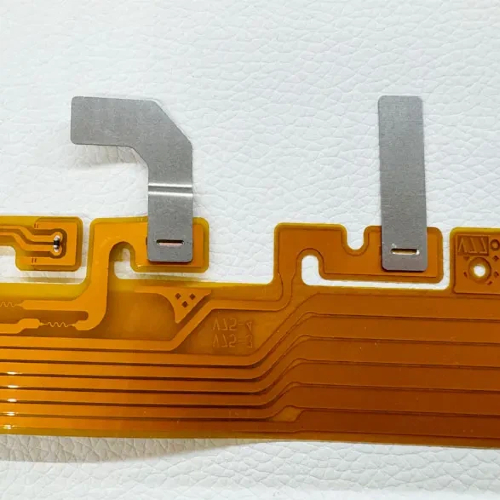
3. The Steps in Manufacturing Nickel Sheets
3.1. Nickel Extraction and Refining
The first step in manufacturing nickel sheets involves extracting nickel from its ores.
Nickel Ore Extraction: Nickel is primarily extracted from sulfide and laterite ores. The ore is mined and then processed to separate nickel from other minerals. The sulfide ores undergo flotation and smelting, while laterite ores are processed through leaching and high-pressure acid leaching (HPAL) to extract the nickel.
Refining Process: After extraction, the nickel undergoes a refining process, where it is purified to high levels of purity, typically 99% or higher. This is done using techniques such as furnace smelting, electrorefining, or hydrometallurgical methods. The goal is to remove impurities such as iron, sulfur, and carbon, which could affect the quality of the final nickel sheets.
Refining Methods:
Method | Description |
Furnace Smelting | The ore is melted in a furnace, and impurities are separated through physical processes like oxidation. |
Electrorefining | Impure nickel is dissolved in an electrolyte and purified through electrolysis, using electrical currents to separate pure nickel from impurities. |
Hydrometallurgical Process | Involves using aqueous chemistry to extract nickel from ores, typically employing acidic solutions to leach nickel out of laterite ores. |
These processes ensure that the nickel is of the desired purity and free from elements that might degrade its performance in industrial applications.
3.2. Melting and Alloying
Once the nickel is refined, it is ready for the next step: melting.
Melting Process: In this step, the nickel is melted at high temperatures, typically around 1453°C (2647°F), to form molten metal. This molten metal will be used in the subsequent steps of the manufacturing process. The temperature needs to be carefully controlled to ensure that the nickel retains its ideal properties for further processing.
Alloying: Nickel is often alloyed with other metals, such as iron, copper, or chromium, to enhance specific properties such as strength, corrosion resistance, and hardness. This is an important step when manufacturing sheets that require specific mechanical properties. The alloying process is highly controlled, as the right combination of elements must be used to achieve the desired characteristics of the final product.
3.3. Rolling Process
The molten nickel or alloy is then rolled into sheets through a series of rolling processes.
Hot Rolling
Hot rolling is the first step, where the molten nickel is passed through large rolling mills to form thick sheets. These sheets are typically quite thick and are often used in heavy industrial applications. Hot rolling helps shape the nickel while maintaining its structural integrity, ensuring that it is suitable for further processing.
Cold Rolling
After the hot rolling process, the nickel sheets may undergo cold rolling. In cold rolling, the sheets are passed through rollers at room temperature to reduce the thickness even further and improve the surface finish. Cold rolling also enhances the strength of the material by inducing work hardening, which makes the nickel sheets more durable and less prone to deformation under stress.
Cold rolling allows for the production of thinner sheets that are ideal for precision applications where uniformity in thickness is required.
3.4. Annealing and Heat Treatment
Annealing is a critical step in the manufacturing process that ensures the nickel sheets achieve the desired properties.
Annealing: The nickel sheets are heated to a specific temperature and then gradually cooled. This process relieves internal stresses, making the material more ductile and less prone to cracking during further processing. The annealing process also helps to refine the material’s microstructure, resulting in more consistent mechanical properties.
Heat Treatment: Some nickel sheets undergo additional heat treatment to increase their mechanical properties. This can include processes like quenching (rapid cooling) or tempering to achieve higher strength and hardness. Heat treatment is essential for producing nickel sheets that will be exposed to high stresses or harsh environments.
3.5. Surface Finishing
The final step in the manufacturing process is surface finishing. Nickel sheets often require polishing, coating, or other finishing techniques to achieve a smooth, reflective surface.
Polishing: This involves mechanically polishing the surface to remove any roughness or imperfections that may have been introduced during the rolling process. Polishing ensures that the nickel sheets meet aesthetic standards and are smooth to the touch.
Coating: In some cases, nickel sheets may be coated with a thin layer of another metal or material to enhance their performance in specific applications, such as increasing corrosion resistance or adding conductivity. Electroplating or other coating methods are often used to enhance the properties of the nickel sheets.
4. Quality Control in Nickel Sheet Manufacturing
Inspection Methods
Quality control is an essential part of the nickel sheet manufacturing process. Several methods are used to ensure the final product meets industry standards:
Visual Inspection: Inspecting the surface of the nickel sheets for defects such as cracks, pits, or uneven thickness. Any visible issues are corrected before proceeding to further stages.
Thickness Testing: Using gauges or laser measurement tools to check the uniformity of the sheet thickness. Ensuring consistent thickness is crucial for applications where precision is key, such as in electronics.
Flatness Testing: Ensuring that the sheets are flat and free from warping, which could affect their application in certain industries. Special tools and equipment are used to check the flatness of the sheets.
Standards Compliance
Nickel sheets must meet specific industry standards to ensure they are suitable for their intended applications. For example:
ASTM B162: A standard specification for nickel alloy sheet, strip, and plate. This standard ensures the nickel sheet is manufactured to meet the required mechanical and chemical properties.
ISO 9001: Quality management standards that ensure manufacturers maintain consistency in their products. Compliance with this standard demonstrates a commitment to quality and customer satisfaction.
5. Applications of Nickel Sheets
Nickel sheets are used in a wide range of industries due to their unique properties. Some of the key applications include:
Aerospace: Used in components such as turbine blades, which require high heat resistance. Nickel’s strength and thermal stability make it ideal for high-stress applications.
Electronics: Nickel sheets are used in connectors, battery components, and other electronic devices. Their corrosion resistance and conductivity are essential for ensuring the longevity and reliability of these products.
Chemical Processing: Nickel sheets are ideal for tanks, pipes, and equipment in chemical plants due to their resistance to corrosion and high temperatures. They ensure the integrity of the system in harsh environments.
Energy: Used in power generation, including wind turbines and solar energy systems. Nickel’s durability and resistance to high temperatures make it an excellent choice for energy infrastructure.
6. Conclusion
The manufacturing process of nickel sheets is a sophisticated and multi-step procedure, from raw material extraction to the final surface finishing. Each stage is essential to ensure that the nickel sheets meet the high standards required by industries demanding durability, corrosion resistance, and heat resistance. As the demand for high-quality nickel sheets continues to grow across various sectors, staying updated with the latest production techniques is crucial.
At Dongguan Arida Machinery Equipment Co., Ltd., we specialize in providing premium-quality nickel sheets tailored to meet the specific needs of our clients. Our advanced manufacturing processes ensure precision and consistency, delivering exceptional products for industries such as aerospace, electronics, and chemical processing.
If you're looking for reliable, high-performance nickel sheets, we invite you to explore our offerings and connect with us for more information. Our team is ready to assist you in finding the right solution for your needs.
7. FAQ
1. What are the key factors that influence the quality of nickel sheets?
Quality is influenced by the purity of the raw materials, precision during the rolling process, and the effectiveness of heat treatment.
2. How thick can nickel sheets be?
Nickel sheets vary in thickness depending on their application. Some may be as thin as a few millimeters, while others can be several centimeters thick.
3. Are nickel sheets environmentally friendly?
Nickel is highly recyclable, making it an environmentally friendly material. The manufacturing process itself also involves sustainable practices.
4. What industries benefit from using nickel sheets?
Industries such as aerospace, electronics, chemical processing, and energy all benefit from the properties of nickel sheets.
5. Can nickel sheets be used for high-temperature applications?
Yes, nickel sheets are ideal for high-temperature environments due to their excellent heat resistance and durability.