Nickel and nickel-plated steel are two materials widely used across industries. Both offer various advantages, but they differ significantly in terms of properties, cost, and applications.
Understanding the distinction between pure nickel and nickel-plated steel is essential for selecting the right material for various industrial applications. These materials share some similar properties, primarily their resistance to corrosion, but they also have distinct differences in terms of cost, durability, and strength. In this article, we will break down the primary characteristics of both materials, helping you understand their suitability for various industries and environments.
Nickel is a metal that has been used in various industries for its unique properties, such as its resistance to corrosion and its strength. Nickel-plated steel, on the other hand, combines steel's strength and versatility with the added benefits of nickel's corrosion resistance. By understanding the fundamental differences between pure nickel and nickel-plated steel, you will be able to make more informed decisions when choosing materials for your projects.
1. What is Nickel?
Nickel is a silvery-white, metallic element known for its corrosion resistance, ductility, and high-temperature stability. It is a transition metal, making it valuable in various industrial applications, especially where resistance to oxidation and corrosion is crucial. Here are some key characteristics of pure nickel:
Key Characteristics of Pure Nickel:
Corrosion Resistance: One of nickel's standout features is its excellent resistance to corrosion. Nickel can withstand exposure to corrosive substances like acids, alkalis, and salty environments, making it ideal for use in industries like chemicals, marine, and aerospace. Pure nickel can form a protective oxide layer on its surface, enhancing its resistance to rusting and degradation.
Ductility: Pure nickel is highly ductile, meaning it can be drawn into thin wires or stretched without breaking. This property is particularly valuable for manufacturing flexible components, such as electrical wiring or thin-film applications in electronics.
Magnetic Properties: Nickel is ferromagnetic at low temperatures, meaning it is attracted to magnets. This property makes it suitable for certain electromagnetic applications, such as transformers and electric motors. Additionally, its high magnetic permeability helps in the design of components requiring specific magnetic fields.
High-Temperature Stability: Nickel retains its strength and resistance to oxidation even at high temperatures, making it ideal for use in high-heat environments like engines, turbines, and reactors. The material's ability to resist deformation and maintain its properties in extreme heat makes it indispensable in industries requiring high-performance materials.
Applications: Pure nickel is widely used in industries where corrosion resistance and high-temperature stability are critical. It can be found in aerospace applications, marine vessels, chemical reactors, and electronics components like batteries and sensors.
Advantages of Pure Nickel:
Exceptional corrosion resistance in harsh environments.
Maintains strength and stability at high temperatures, making it ideal for extreme conditions.
Magnetic properties that are useful for specialized industrial applications.
2. What is Nickel-Plated Steel?
Nickel-plated steel refers to steel that has been coated with a thin layer of nickel. The process of applying nickel plating to steel is commonly done through electroplating or mechanical plating. The primary goal of nickel plating is to enhance the steel's corrosion resistance, hardness, and aesthetic appearance without compromising its strength and ductility.
Nickel Plating Process:
Nickel plating is typically achieved by placing a steel object in an electrolyte solution containing nickel salts. A current is passed through the solution, which causes nickel ions to deposit onto the steel’s surface. This process creates a uniform layer of nickel that improves the steel’s properties, such as making it more resistant to corrosion and increasing its surface hardness. The plating process can vary in thickness, but it is generally quite thin compared to the mass of steel, which ensures that the steel’s original strength is maintained while enhancing its surface properties.
Properties of Nickel-Plated Steel:
Corrosion Resistance: Nickel plating significantly improves the corrosion resistance of steel, especially when exposed to moisture, chemicals, and atmospheric conditions. The nickel layer acts as a barrier between the steel and the corrosive environment. However, it is important to note that the plating, being a thin layer, may not provide the same level of resistance as pure nickel in highly aggressive environments.
Surface Hardness: The nickel plating process increases the hardness of the steel surface, making it more resistant to wear and tear. This makes nickel-plated steel ideal for parts that are exposed to friction, abrasions, or mechanical stress. The plating is effective in improving the longevity of components like bolts, nuts, and connectors that experience regular contact.
Aesthetic Appeal: Nickel-plated steel has a shiny, smooth, and attractive surface, often used in decorative applications, such as hardware, jewelry, and automotive parts. The shiny surface can also be useful in improving visibility in certain industrial applications where components are frequently inspected.
Strength and Flexibility: While the steel provides inherent strength, the nickel layer enhances its protection without compromising its flexibility. Nickel-plated steel retains much of the original strength and toughness of the base steel while offering a higher level of protection against external environmental factors.
Applications of Nickel-Plated Steel:
Nickel-plated steel is used in a variety of industries, including:
Automotive: For parts like bolts, nuts, and fasteners that need extra protection against rust.
Electronics: In connectors, terminals, and other components that require good conductivity and corrosion resistance.
Construction: For structural components that need additional protection without adding too much weight.
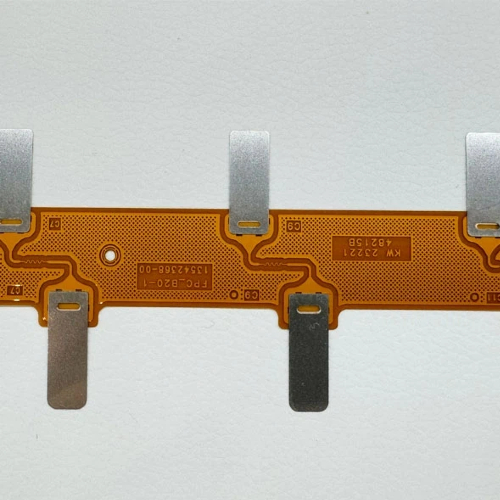
3. Key Differences Between Pure Nickel and Nickel-Plated Steel
Understanding the key differences between pure nickel and nickel-plated steel is essential for determining the right material for your application. Let’s break down the primary factors that distinguish these two materials:
Material Composition:
Pure Nickel: Composed entirely of nickel metal, offering excellent corrosion resistance, strength, and high-temperature stability. It is a single material, so it doesn't rely on a base metal for support.
Nickel-Plated Steel: A combination of steel (which provides strength) and a thin layer of nickel plating that enhances its corrosion resistance and surface hardness. Steel remains the dominant material, and the nickel serves as a protective coating.
Durability and Strength:
Pure Nickel: Nickel is highly durable and resistant to corrosion, but it is not as strong as steel. It is best used in applications where corrosion resistance is the primary requirement, but the material is not required to bear heavy loads or withstand intense mechanical stress.
Nickel-Plated Steel: Steel offers superior strength and hardness, while the nickel plating improves its corrosion resistance. However, the plating is thinner, and its resistance to corrosion is not as high as that of pure nickel. Steel provides a solid base, while the nickel layer offers protection against surface degradation.
Cost Considerations:
Pure Nickel: Generally more expensive due to its material cost and manufacturing process. Nickel is a more precious metal compared to steel, and the production of pure nickel materials requires more specialized techniques.
Nickel-Plated Steel: More cost-effective than pure nickel because it uses steel as the base material and only requires a thin layer of nickel. This makes nickel-plated steel an attractive option for applications where corrosion resistance is important, but the cost must be kept low.
Applications:
Property | Pure Nickel | Nickel-Plated Steel |
Corrosion Resistance | Excellent, especially in harsh environments | Good, but not as high as pure nickel |
Strength | Moderate, less strong than steel | Very strong due to the steel base |
Cost | Expensive due to pure nickel | Affordable, as it uses steel with a thin layer of nickel |
Durability | High durability, resistant to wear | Durable but not as wear-resistant as pure nickel |
Applications | Aerospace, chemical, electronics | Automotive, construction, electronics |
4. Advantages of Nickel-Plated Steel Over Pure Nickel
While pure nickel is excellent for specific applications, nickel-plated steel offers several advantages, especially when cost and strength are crucial factors.
Cost-Effectiveness:
Nickel-plated steel is far more cost-effective than pure nickel because the nickel layer is applied to steel, reducing the overall material cost. This makes it a better choice for industries that need corrosion resistance but can’t afford pure nickel. It is an excellent option for applications that require good performance at a fraction of the price of pure nickel.
Flexibility:
Nickel-plated steel offers more flexibility in manufacturing. Various types of steel can be plated with nickel, making it adaptable for different uses across industries. Manufacturers can customize the plating thickness and select specific types of steel based on the required properties.
Improved Surface Properties:
The nickel plating improves the surface hardness of steel, making it more resistant to wear and tear, scratches, and other forms of surface damage. This makes it ideal for products that will undergo significant friction and movement, such as automotive parts, heavy machinery components, and electrical connectors.
5. When to Use Pure Nickel vs. Nickel-Plated Steel
Knowing when to use pure nickel or nickel-plated steel can be critical for ensuring the longevity and performance of your product.
Pure Nickel:
Use pure nickel when:
You need superior corrosion resistance, especially in highly aggressive environments like chemical processing, aerospace, or marine industries.
High-temperature stability is required, such as in turbines or exhaust systems.
You are manufacturing magnetic components that rely on the magnetic properties of pure nickel.
Nickel-Plated Steel:
Nickel-plated steel is suitable when:
You need a strong material (steel) with added protection against corrosion.
You want to reduce costs without compromising too much on corrosion resistance.
You need aesthetic appeal, such as shiny, decorative parts in automotive or hardware applications.
6. Conclusion
Both pure nickel and nickel-plated steel offer distinct advantages for various applications. Pure nickel excels in harsh environments where superior corrosion resistance and high-temperature stability are crucial. In contrast, nickel-plated steel combines the strength of steel with the corrosion protection of nickel, offering a cost-effective solution for many industries.
At Dongguan Arida Machinery Equipment Co., Ltd., we specialize in providing high-quality materials, including nickel-plated steel, that meet the diverse needs of our clients. Whether you're looking for durable components for harsh conditions or affordable solutions without compromising performance, our products are designed to cater to both requirements. With our extensive experience in manufacturing and commitment to quality, we can help guide you to the right choice based on your specific needs and budget.
For more information or to discuss your material requirements, we invite you to contact us directly. Our team is ready to assist you in finding the ideal solution for your project.
7. FAQ
Q1: Is nickel-plated steel as durable as pure nickel?
While nickel-plated steel offers good durability, pure nickel provides superior resistance in highly corrosive environments and high-temperature applications due to its pure composition.
Q2: Can nickel-plated steel be used in highly corrosive environments?
Nicel-plated steel is resistant to corrosion but may not perform as well as pure nickel in extreme environments. However, it is suitable for most general applications where cost is a concern.
Q3: How is nickel plating applied to steel?
Nickel plating is applied to steel through electroplating or mechanical plating. In electroplating, an electric current is used to deposit nickel onto the steel surface.
Q4: What industries use nickel-plated steel?
Nickel-plated steel is commonly used in the automotive, construction, and electronics industries for components that require both strength and corrosion resistance at an affordable price.