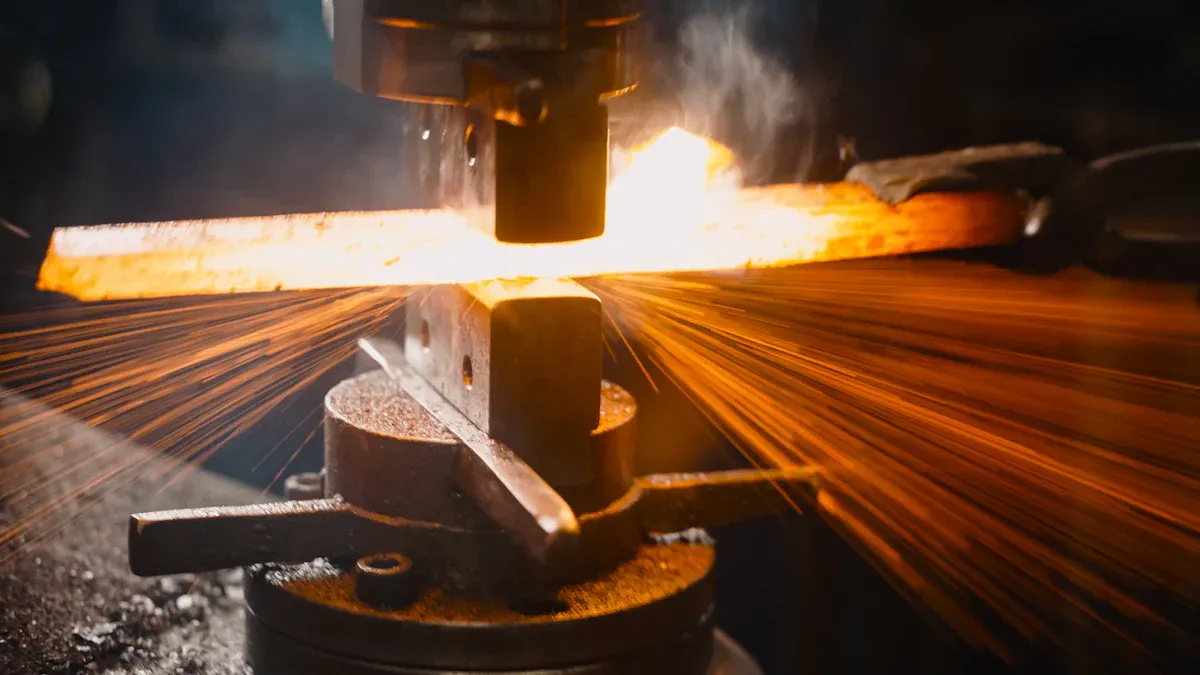
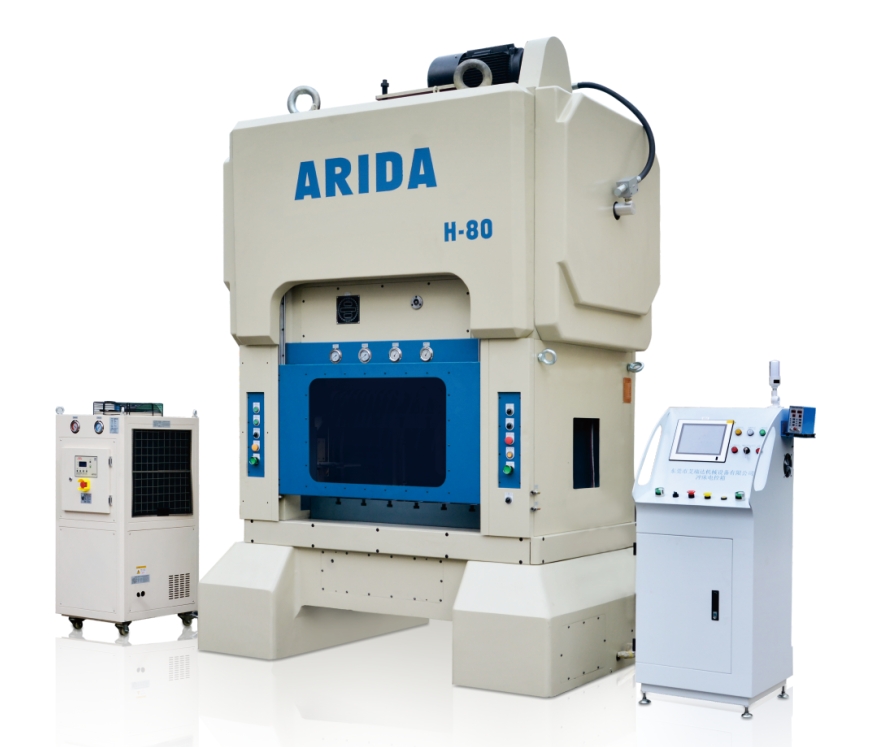
A cold header is a machine that shapes metal wire into parts at room temperature. You use a cold header to feed wire, cut it, and then form each piece with dies and hammers. The cold header does not heat the metal, so you get strong parts quickly. You find that the cold header works fast and saves material, making it great for large-scale manufacturing. Many companies choose a cold header because it produces high-quality products efficiently. Here are some facts that show how well cold headers work:
The global market for cold forming and cold heading reached $22.7 billion in 2023.
Experts expect this market to grow to $34.9 billion by 2033.
Cold headers help you achieve top production speed and material savings.
Key Takeaways
Cold headers change metal wire into strong parts. They do this at room temperature. This saves time and energy.
Cold heading can make many parts very fast. It can make up to 200 parts each minute. This is great for making lots of things in factories.
Cold heading uses less material and costs less money. It helps make good parts without wasting much. This makes it a smart way to make parts.
Cold heading works for many jobs. It is used in cars, planes, and electronics. It makes things like bolts, screws, and connectors.
Safety is very important when using cold headers. You should always wear safety gear. You must follow safety rules to stay safe and avoid accidents.
Cold Header Operation
Cold Heading Process Steps
You use a cold header to shape metal wire into strong parts. The cold heading process works at room temperature, so you do not need to heat the metal. This method helps you save time and energy. You can follow these steps to understand how the cold heading process works:
You feed a coil of metal wire into the cold header. The machine straightens the wire and cuts it into short pieces called slugs.
You position each slug in the die. The die holds the slug in place for shaping.
You use a punch to press the slug into the die. The punch deforms the metal and fills the die cavity. This step forms the basic shape of the part.
You may need several blows for complex shapes. Multi-stage cold heading helps you create detailed parts.
You eject the finished part from the die. The cold header pushes the part out quickly.
You repeat the cold heading process at high speed. Automation lets you produce thousands of parts every hour.
The cold heading process uses wire rods that have gone through spheroidizing annealing. This treatment makes the wire softer and easier to shape. You can form low and medium carbon steels without heating them. The cold heading process gives you strong parts with good mechanical properties.
Tip: You can combine forming, trimming, and threading in one cold heading process. This saves you time and reduces extra steps.
You find that the cold heading process helps you meet tight production schedules. You can adapt to market changes because you produce large quantities of parts quickly. The cold heading process supports efficient mass production and reduces waste.
Cold Heading Techniques
You can use different cold heading techniques to create many shapes and sizes. Each technique gives you a way to form metal at room temperature. Here is a table that shows the most common cold heading techniques:
Technique Type | Description |
Cold Heading Upsetting | You force the metal out of the die with a punch to make a head larger than the blank. |
Cold Heading Extrusion | You use forward or reverse extrusion methods to shape the metal. |
Forward Extrusion | You feed a metal slug into the machine. Dies and punches shape it at room temperature. |
Open Extrusion | You deform a metal slug through a die with an open end for consistent shapes. |
Trapped Extrusion | You form parts by forcing a slug into a confined space in the die using a punch. |
Backward Extrusion | You make the metal flow in the opposite direction of the punch. This technique works well for fasteners. |
You can choose cold heading techniques based on the part you want to make. Cold heading upsetting helps you create bolts and screws with large heads. Cold heading extrusion lets you form long, thin shapes. Backward extrusion works best for hollow parts like rivets.
You see that cold heading techniques allow you to shape metal quickly and accurately. The cold heading process does not waste material. You get parts with tight tolerances and smooth surfaces.
You also benefit from new technology in cold heading. Artificial intelligence improves machine precision. Automation and robotics help you reach higher production rates. Electric cold heading machines use less energy and lower your environmental impact.
You must follow safety rules when you use cold heading machines. Clear signs remind you to stay alert. You read instructions before you operate the equipment. These steps keep you safe during the cold heading process.
You notice that the cold heading process gives you strong, durable parts. You can use cold heading techniques to make products for cars, airplanes, and electronics. The cold heading process helps you meet high quality standards and produce parts at top speed.
Cold Header Components
Key Machine Parts
Cold heading machines shape metal wire into strong parts. Each machine has many important parts. Every part has a special job in the process. The table below lists the main parts and what they do:
Component | Function |
Wire Feeders | Calibrate and send wire materials to the main mold for initial forging. |
Cutters | Use a circular shearing method to cut materials neatly and perpendicularly. |
Dies | Shape the materials during the punching process and ensure accuracy and durability. |
Hammers | Perform the punching actions to forge the wire into the desired shape. |
Main Machine | Drives the cold heading process and coordinates all parts. |
Feeding Device | Supplies raw material to the machine for processing. |
Cold Heading Head | Contains the tooling for shaping the material. |
Power Transmission System | Transfers power to the machine components for operation. |
Lubrication System | Reduces friction and wear on moving parts. |
Control System | Manages the operation and settings of the machine. |
Safety Protection Devices | Ensures safe operation during processing. |
Wire feeders and cutters get the wire ready for shaping. Dies and hammers press and shape the wire into the final part. The control system lets you set up the machine for different jobs. Safety protection devices help keep you safe when you use the machine.
Cold Forming Features
Cold heading machines have features that help you make parts fast and with tight tolerances. Cold forming technology lets you create complex shapes that are very accurate. The parts do not change size from heat, so they stay the right size. This is important when parts must fit together perfectly.
Some features make cold heading machines work well:
Servo-driven actuators and electronic presses help you switch designs fast.
Multi-station machines let you change shapes and products quickly.
IoT monitoring and predictive analytics help stop problems and keep machines running.
Automated material supply and checks help you make more parts and use less labor.
Cold heading machines do not waste much material because they shape it instead of cutting it away. You can use these machines to make lots of small and medium parts. Cold heading machines help you make many parts at once and save money.
Tip: Cold heading machines help you make every part the same, so you get good quality each time.
Cold Header Applications
Industries Using Cold Heading
Cold heading is used in many industries. Cold forming helps make strong parts for different jobs. Some industries use cold forming every day:
Automotive Industry: Cold forming is used to build cars. Fasteners and important parts need cold heading for strength.
Aerospace Sector: Cold forming makes airplane fasteners and parts. These pieces must be very safe.
Electronics Manufacturing: Cold forming makes small connectors and tiny parts.
Construction and Infrastructure: Cold heading is used for building connectors and parts.
Medical Device Manufacturing: Cold forming makes surgical tools and implants. These parts must be exact and safe for the body.
Consumer Goods: Cold forming is found in tools, appliances, and things you use daily.
Cold forming makes parts with little waste. You save material and cut down on scrap. Parts are stronger because they are shaped at room temperature. You can squeeze, bend, cut, and stretch metal to make many kinds of parts. You get lots of parts quickly and spend less money.
Tip: Think about how many parts you need, how hard they are to make, and what material you use. These things help you get good results with cold heading.
Products Made by Cold Forming
Cold forming is used to make many products. Cold heading helps you make special bolts, screws, and studs. These fasteners are important for cars, planes, electronics, and buildings. You can make over 2200 metal shapes with cold forming. This shows cold forming can make many sizes and shapes.
Cold forming works quickly. You can make lots of metal parts that are all the same. Cold forming is used for nuts, rivets, pins, and connectors. It is also used for medical implants and tiny parts for electronics.
Cold forming helps you meet tough rules for strength and lasting power. You get parts that fit well and last a long time. Cold forming gives you good solutions that save money for many industries.
Advantages of Cold Heading
Efficiency and Speed
Cold heading helps you make parts fast. The equipment shapes metal at room temperature. You do not need to heat or cool the metal. This saves time and lets you keep up with big orders. Cold heading often finishes parts in one step. You skip extra work like machining. The table below shows how cold heading is different from other ways:
Metric | Cold Heading | Swiss Machining |
Production Speed | Up to 200 pieces per minute | Significantly slower |
Speed Advantage | Up to 20 times faster | N/A |
Cost Reduction | Lower per-piece costs | Higher per-piece costs |
Waste Reduction | Virtually eliminated | Higher scrap rates |
Secondary Operations Required | Often eliminated | Required |
Cold heading lets you make more parts in less time. You can produce millions of parts each year. The equipment helps you finish jobs quickly and deliver on time. Cold heading also uses less energy and makes less waste. This helps the environment.
Strength and Durability
Cold heading makes strong and tough parts. The process uses high pressure to shape metal. This changes the inside structure and makes it harder. Cold forming twists and mixes the metal’s crystals. This makes the part tougher. You get better strength and durability. Here are ways cold heading helps:
You shape metal at room temperature to make it harder.
The process gives the metal a better grain structure.
Work hardening makes parts stronger and tougher.
You can make complex shapes that still stay strong.
Cold heading lets you build parts that last longer. The equipment helps you make reliable products for cars, planes, and electronics. You also help the environment by making parts that do not break easily.
Cost and Material Savings
Cold heading helps you save money and materials. The process uses almost all the metal. You waste very little. You can cut material costs by up to 70%. Cold heading also saves machining time by up to 50%. The table below shows how much you can save:
Process | Cost per Unit | Total Cost for 1,000,000 Units | Savings |
Machining | $0.50 | $500,000 |
|
Cold Heading | $0.35 | $350,000 | $150,000 |
Cold heading lets you combine two or three parts into one. This makes parts lighter but keeps them working well. You get better prices when you make lots of parts. The equipment helps you make parts that fit well and look good. Cold heading also uses less material and energy, which helps the environment.
Tip: Cold heading costs less and works faster than machining. This gives your business more value.
Cold Heading vs. Other Methods
Cold Heading vs. Hot Forging
You might ask how cold heading is different from hot forging. Cold heading shapes metal at room temperature. Hot forging heats metal until it gets soft and easy to shape. The table below shows how they are not the same:
Aspect | Cold Heading | Hot Forging |
Operating Methods | Focuses on forging small workpieces | Involves heating metal for malleability |
Application Fields | Mainly used in fastener production (bolts, etc.) | Broader applications including mechanical parts |
Product Characteristics | Higher strength and dimensional precision | Improved ductility and impact resistance |
Cold heading makes parts that are stronger and harder. You get better size accuracy because heat does not change the metal. Hot forging makes parts tougher and lowers holes inside, but the sizes can be off.
Cold heading uses less energy. Hot forging needs high heat, so it uses more energy. Cold heading works at room temperature, so you spend less money. Cold heading is cheaper for making lots of parts. You also waste less material.
Note: Cold heading gives higher strength and hardness because of strain hardening. Hot forging makes parts tougher but can cause size mistakes.
If you want bolts or screws, cold heading is best. Hot forging is better for big parts that need to be extra tough.
Cold Heading vs. Machining
You might also look at cold heading and machining. Cold heading shapes metal by pressing and forming. Machining cuts away metal to make the shape. The table below shows how they are different:
Aspect | Cold Heading | Machining |
Production Speed | High-speed production | Slower production rates |
Cost-Effectiveness | Reduced material scrap, lower costs | Higher material waste and costs |
Design Complexity | Capable of intricate designs | Limited by cost-effectiveness |
Volume Requirements | Optimal for large volumes | Less efficient for large volumes |
Cold heading lets you make many parts every minute. Machining makes only a few parts in the same time. Cold heading uses less metal because it does not cut away much. Machining makes more scrap, so you need more metal.
Cold heading saves time. You can make lots of parts at once. Cold heading wastes less material and gives you accurate parts. Machining is good for small batches or special shapes, but it costs more and takes longer.
Tip: Cold heading is faster for making fasteners and saves material because it does not cut.
If you need millions of the same part, cold heading is best. You save money, energy, and time. Machining works better for custom or small jobs.
You notice that a cold header makes metal wire into strong parts. It works at room temperature. The machine can make up to 100 parts each minute. The parts are tough and have a good grain structure. You use less material and throw away less waste. You also spend less money on energy.
Cold forming helps you make exact parts for cars and electronics. You save money, make less waste, and work fast.
Benefit | Description |
Durability | Parts last long and can handle hits. |
Cost Efficiency | You spend less money and use less energy. |
Precision | You get parts that fit well every time. |
A cold header lets you make lots of parts and get good results.
FAQ
What materials can you use in a cold header?
You can use steel, aluminum, copper, and brass. Most cold headers work best with low or medium carbon steel. You should check the material’s hardness before starting.
Tip: Softer metals shape faster and need less force.
How fast can a cold header produce parts?
You can make up to 200 parts every minute. Production speed depends on the machine and part size. Cold headers work much faster than machining.
Machine Type | Parts per Minute |
Single-Station | 60 |
Multi-Station | 200 |
Do you need heat for cold heading?
You do not need heat. Cold heading shapes metal at room temperature. This process saves energy and keeps parts strong.
What safety steps should you follow with cold headers?
You should wear safety glasses and gloves. Always read the machine manual. Keep hands away from moving parts. Use safety guards and emergency stops.
Wear protective gear
Follow instructions
Check safety devices